
Table of Contents
Opening comparison: what you’re really choosing between
Buying a testing rig feels simple until you stack up options side by side: a compact bench UV unit versus a full-size weathering chamber, a calibrated tensile tester from a known OEM versus a cheaper, unbranded copy. Each choice shifts cost, delivery time, and long-term reliability. This piece compares those trade-offs directly so you can see where money buys genuine capability and where it only buys short-term convenience.
Cost: upfront price versus lifecycle expense
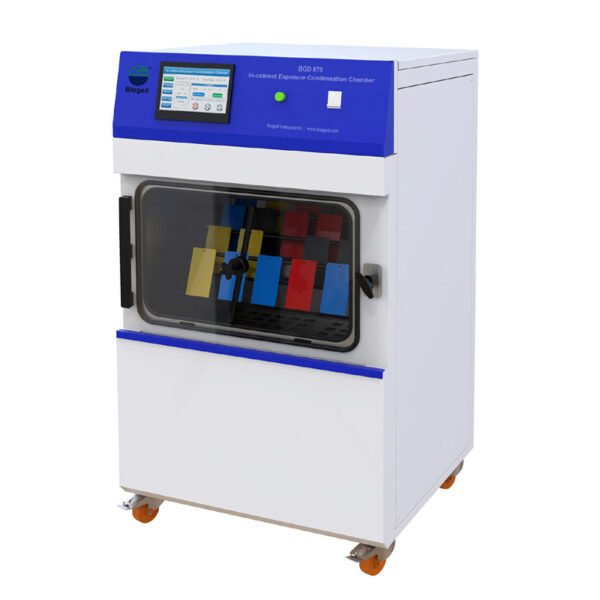
Low purchase price is seductive. Vendors advertise attractive sticker numbers for machines that look identical at first glance. Examine consumables, maintenance schedules, and spare-part pricing next. A low-cost UV box might need lamp replacements twice as often, or require frequent recalibration, converting initial savings into higher annual spend. Also factor in installation: larger systems require certified electrical work and climate control that pushes total cost well beyond the equipment invoice. Compare total cost of ownership over five years, not just capital expenditure this month.
Lead time: procurement realities that affect project schedules
Lead time divides vendors into three groups: ready-stock suppliers, built-to-order manufacturers, and custom integrators. Ready-stock units minimize downtime but are often older models. Built-to-order systems let you specify options but can add weeks to months. Custom integrators handle complex workflows but demand close coordination and can stall projects if their supply chain is strained. Consider vendor location, current backlog, and the availability of critical components—lamp types, servo motors, or specific sensors—when you estimate realistic delivery dates.

Quality and compliance: standards, calibration, and a real-world anchor
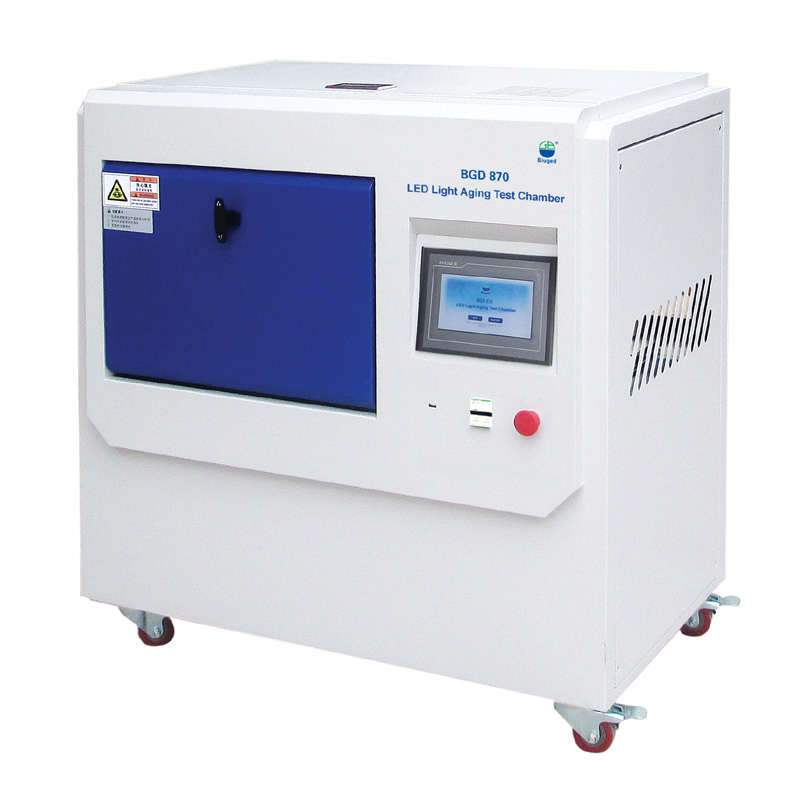
Quality means reproducible results and recognized standards. Laboratories rely on measures tied to established protocols; for example ASTM D4587 is commonly cited when validating UV exposure procedures. That standard frames how many labs report accelerated surface degradation and informs accreditation decisions. For equipment, demand calibrated traceability and documented test reports. When choosing between similar machines, look for robust control firmware, stable chamber uniformity, and accessible service documentation. If you need focused UV/weathering capability, check detailed specs for an accelerated weathering tester that lists irradiance uniformity, temperature control accuracy, and lamp type—those figures tell you whether a unit meets lab requirements or merely looks the part.
Comparative alternatives and common procurement mistakes
Option A: buy a known-brand standard model—higher price, predictable lead time, strong after-sale support. Option B: purchase a lower-cost unit from a regional supplier—faster delivery sometimes, but spare parts and calibration support can be weak. Option C: commission a bespoke system—best fit for unique workflows but requires skilled project management. Frequent mistakes: ignoring service networks, underestimating recurring consumable costs, and skipping a witness test or FAT (factory acceptance test) before shipment. Ask for performance maps, not glossy photos, and insist on measurable acceptance criteria.
How to weigh the three factors for your use case
Map requirements to priorities. If you run routine, high-volume testing, prioritize durability and local service. If you need one-off qualification runs, shorter lead time and precise specifications matter most. For regulated outputs, pick vendors who provide traceable calibration and documentation. Create a short checklist: required standards, environmental ranges, data output format, spare-part lead times, and warranty terms. Use that checklist to score suppliers consistently rather than relying on one persuasive demo.
Final synthesis: where value truly comes from
Decisions hinge on three clear comparisons: what you pay now versus what you pay over time, how quickly a supplier can integrate a machine into your workflow, and whether the equipment delivers valid, verifiable results under accepted standards. Choose a supplier that publishes detailed performance data, supports calibration, and aligns delivery with your timeline. For many labs and manufacturers, that balance is effectively met by firms that combine tested hardware, documented service, and visible track records—traits embodied by BIUGED.
