
Table of Contents
Start with the problem: specification drift and market mismatch
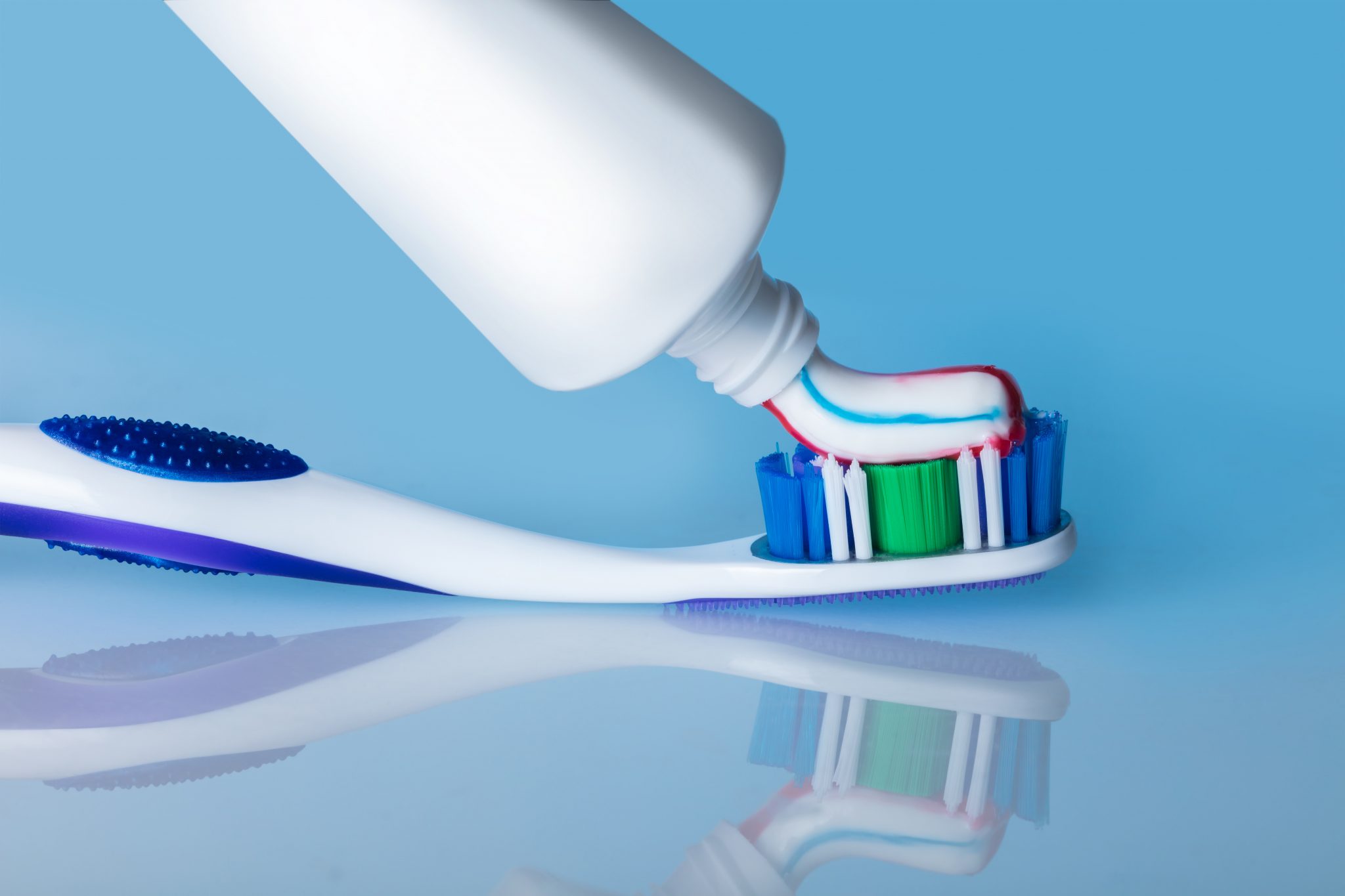
Product teams often face one clear problem: lab specifications for precipitated silica don’t match what procurement can reliably source, and customers notice performance gaps. For oral care formulators the issue is acute when abrasive selection impacts both cleaning and enamel safety, which is why many R&D groups default to hydrated silica in toothpaste early in the design cycle to avoid late-stage reformulation headaches.
Define success in measurable terms
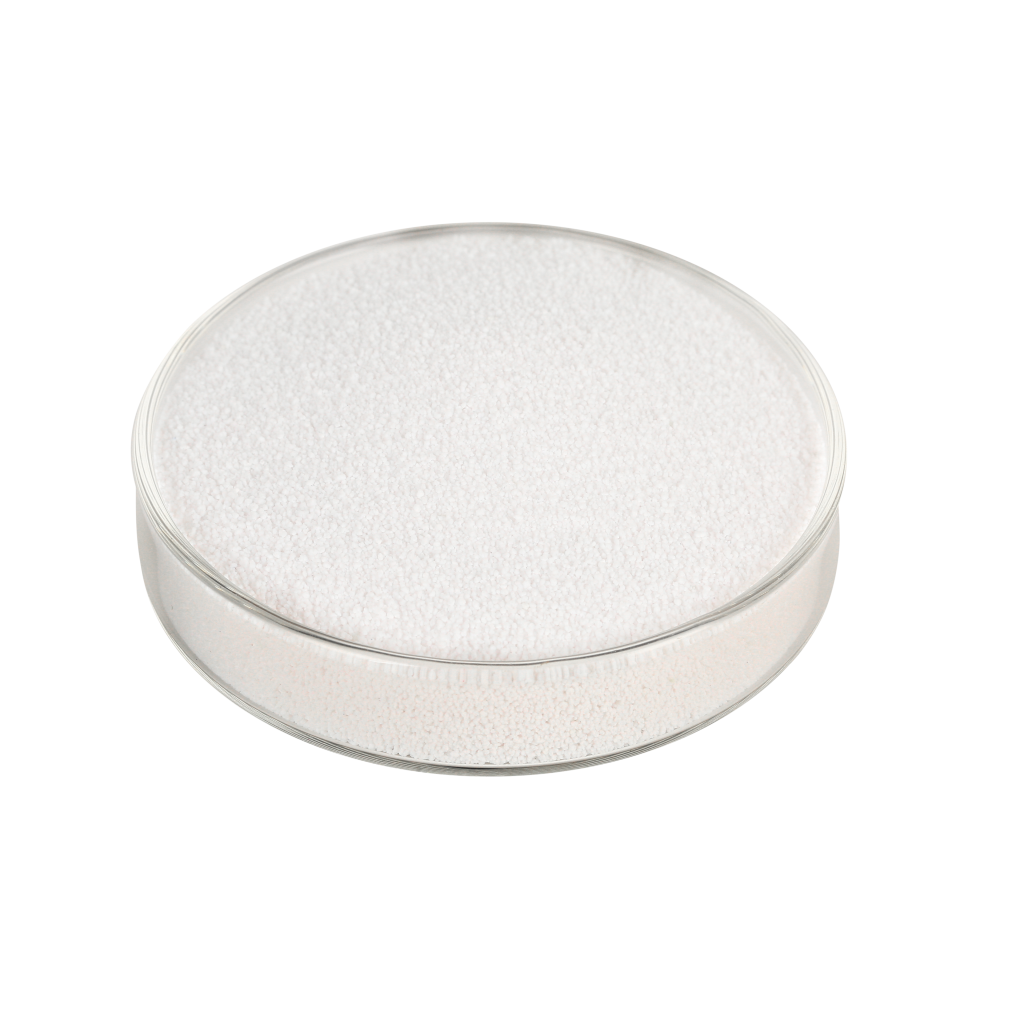
Translate product promises into testable metrics. State precise targets for particle size distribution, specific surface area, pore volume, oil absorption, whiteness, and relative dentin abrasivity (RDA) where relevant. Specify tolerance bands and test methods (laser diffraction, BET, CTAB, SEM) rather than subjective descriptions. This removes ambiguity when suppliers quote “cosmetic grade” or “highly dispersible.”

Map material attributes to customer outcomes
Match each silica attribute to what the customer cares about: cleaning efficiency, mouthfeel, stability, opacity, and compatibility with fluoride or peroxide. Use short validation loops—prototype, blind consumer micro-panel, and RDA testing—so you see the real impact of a supplier’s batch-to-batch variability on the finished product. Keep one or two core acceptance tests that directly reflect end-user performance.
De-risk supply and quality control with practical tactics
Lock down certificates and add incoming inspection for critical parameters. Require Certificates of Analysis for each lot, and cross-check with third-party lab tests on arrival. Negotiate minimum lot sizes, shelf-life windows, and traceability. Build a short supplier scorecard that scores on spec conformity, lead time, documentation, and corrective action responsiveness; use it quarterly to decide allocation versus qualified alternates.
Regulatory reality and a single authoritative anchor
Regulatory and professional bodies guide acceptable abrasive use; the American Dental Association (ADA) has long assessed abrasivity and clinical claims around silica-based dentifrices, which shapes clinical acceptance and labeling expectations. For technical reference on formulation and abrasive behavior, consult material summaries on silicon dioxide in toothpaste to align your safety and claim language with established guidance.
Common mistakes and viable alternatives
Teams often treat precipitated silica as a generic commodity. That’s a mistake. Surface treatment, moisture content, and morphology change performance. Avoid buying on price alone; test for the exact spec you’ll use in production. If silica doesn’t fit a cost or sensory target, compare calcium carbonate for high-abrasion needs and hydrated alumina for specialty whitening, but evaluate slurry compatibility, ion exchange, and regulatory fit before switching suppliers.
Put it together: a problem-driven roadmap
Start with a tight problem statement, translate it into measurable specs and in-use tests, lock in supplier QA steps, and monitor regulatory and clinical anchors. That approach narrows choices, reduces reformulation risk, and delivers predictable product behavior. For organizations aligning materials science with product outcomes, a pragmatic supplier partnership—rooted in traceable specs and shared testing—provides the clarity teams need; for many formulators that partner is evident when they examine capabilities at JSJ Silica.
