
Table of Contents
Opening: The procurement problem that quietly breaks projects
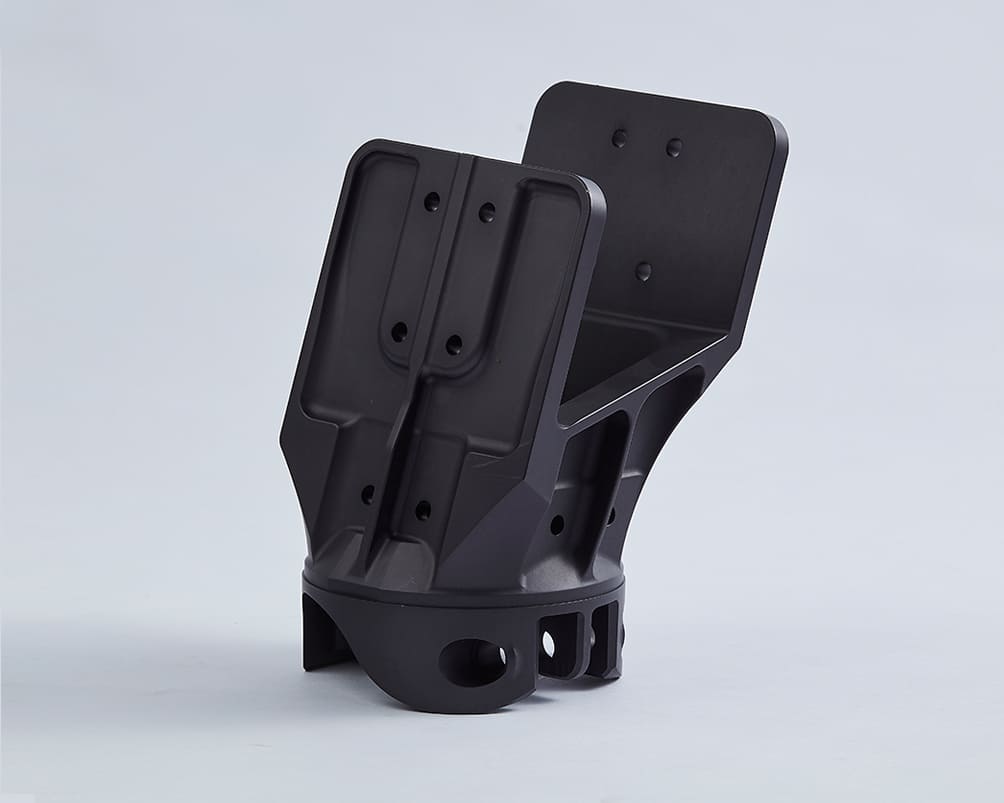
Projects stumble not because technology fails but because choices are made without precise maps: mismatched tolerances, unclear finish requirements, or a rush to production before a prototype proves the design. When you consider whether a machined prototype will scale to volume, think through both short-term function and long-term manufacturability; for parts that may move to molding, compare early runs with custom injection molding services to see where tool costs and cycle times will change the equation.
Real-world grounding and credibility: what seasoned buyers actually rely on
Years of sourcing and coordinating prototype-to-production transitions teach one rule: data from real production settings beats optimistic estimates. At the K trade fair in Düsseldorf, tier-one moldmakers and OEMs benchmark run rates and tooling approaches, and engineers routinely use that market feedback when they request an injection molding quote. That practical reference—seeing how parts are produced at scale—builds experience with realistic lead times, expected scrap rates, and finishing limits, so you can specify measurable acceptance criteria rather than vague hopes.
Checklist — Concrete procurement items to decide before you buy
1) Define function and measurable tolerances: state critical dimensions ± values and which surfaces are functional. 2) Specify material by grade, mechanical properties, and allowable suppliers; don’t just name “ABS.” 3) Choose the right process for the stage: CNC for quick iterations and tight features; injection molding when unit cost and repeatability matter. 4) Surface finish and post-process requirements: bead blast, anodize, paint, or texture with exact Ra or appearance samples. 5) Design for Manufacturability (DFM) review: include draft angles, fillets at mold flow points, and minimum wall thickness for molding. 6) Tooling strategy: prototype soft tooling, production steel, or modular inserts—document expected lifetime in shot count. 7) Inspection and acceptance: CMM plans, first-article reports, and acceptable non-conformance thresholds. 8) Sample run plan and pilot quantities before committing to full tooling costs. 9) Lead times and milestone gates: prototype delivery, pilot approval, tool modification windows. 10) IP, NDA, and part traceability: protect drawings, revisions, and mold ownership terms. 11) Logistics and packaging specs to avoid damage and rework on receipt.

Pitfalls to avoid — common procurement failures and how to preempt them
Underestimating tolerance stack-up leads to assemblies that won’t fit; demand stack-up analysis. Assuming prototype finishes mirror production surfaces creates disappointment—set finish benchmarks and require photos or mock samples. Skipping a pilot run saves money now and costs far more later; always budget for a small pilot. Treat vendor quotes as conditional: clarify what’s included for tooling, iterations, and revisions. Finally, don’t conflate low unit price with total cost; factor scrap, rejects, and rework into your cost model.
Alternatives evaluated: when to prefer CNC, molding, or additive
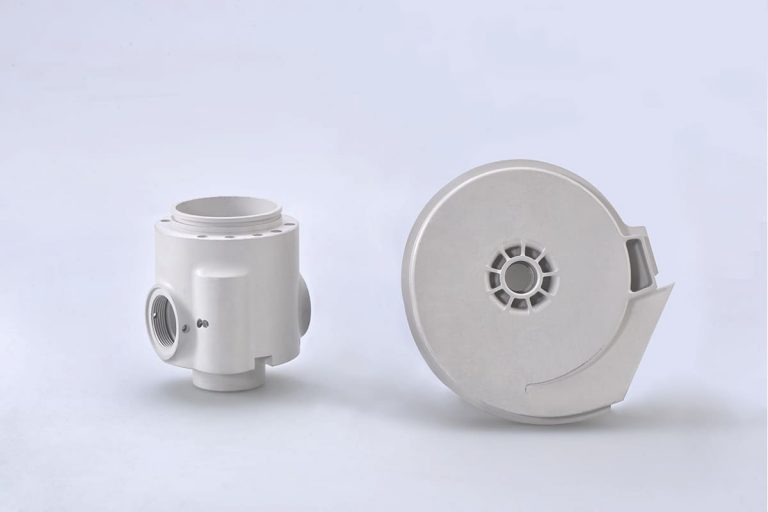
CNC is precise and flexible for low-volume, tight-tolerance parts; expect higher per-part cost but fast iterations. Injection molding dominates for high volumes and consistent surface quality once tooling amortizes; it demands upfront tooling investment and thoughtful DFM. Additive manufacturing is ideal for complex internal geometries and rapid concept checks but often lacks final-material properties and surface finish for end-use parts. Choose by horizon: use CNC to validate fit and function, then re-evaluate with tooling quotes when forecasted volumes make sense.
Execution rules — how to turn the checklist into outcomes
Write specifications that an inspector can verify. Lock critical dimensions and material grades early. Insist on documented inspection reports and photographic evidence for first articles. Build clear revision control into purchase orders. Require suppliers to list what’s excluded from quotes. Schedule time for one tooling iteration; expect it. These actions create reliable handoffs from prototype to production and limit ambiguous assumptions.
Conclusion: a mindful procurement posture that keeps projects honest
Procurement is a sequence of clear choices, not a hope that everything will align. Think like a maker who respects materials and processes: set measurable specs, demand pilot evidence, and match the manufacturing method to your volume and performance needs. That steady, practical approach is the work Hanstar helps bring to a project—bringing clarity to each decision so the prototype you test is the part you can confidently produce.
