
Table of Contents
Executive summary and scope
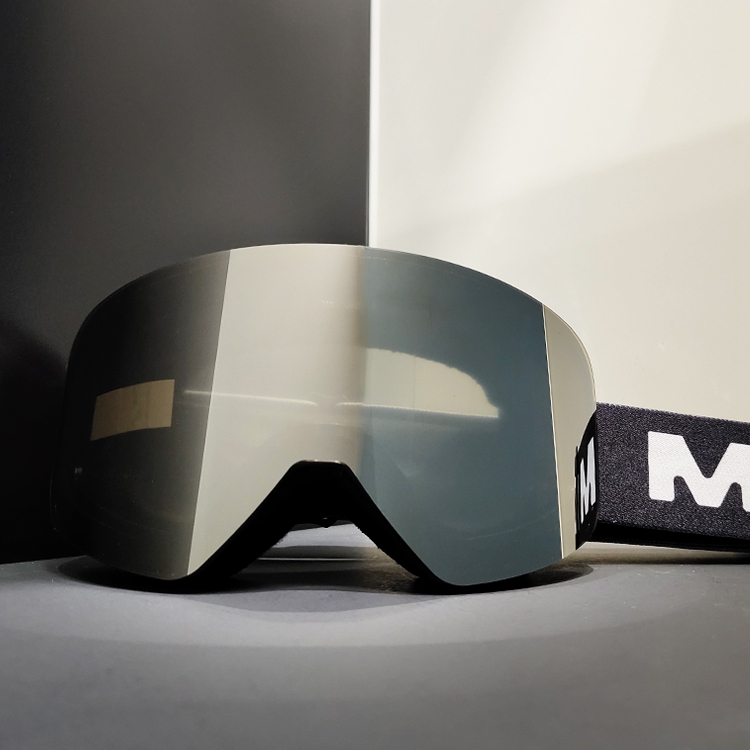
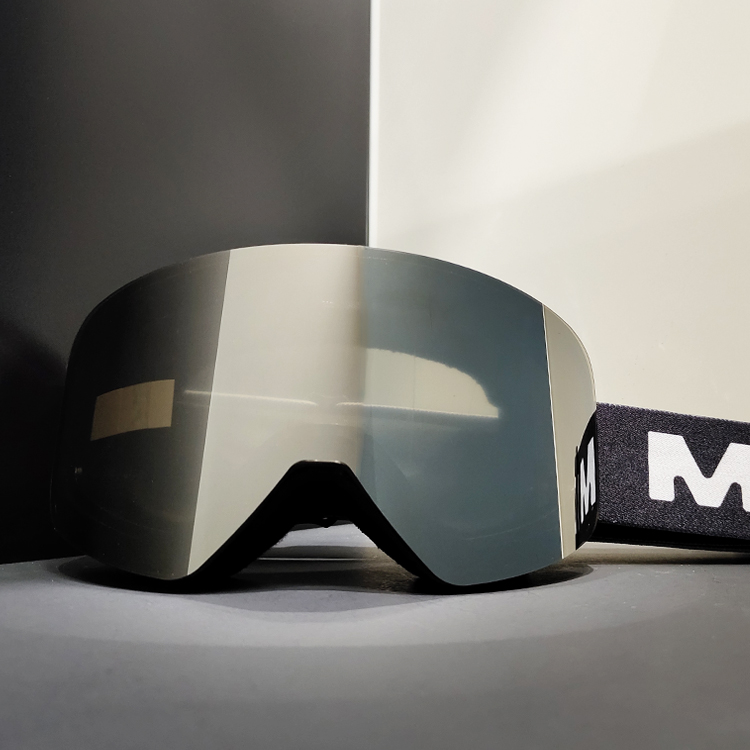
This framework provides a concise, test-driven approach for quality teams to validate UV400 protection and polarization efficiency in snow goggles. It is designed for procurement managers, QA engineers, and product leads who must align laboratory procedures with field performance. The remit covers optical validation, mechanical checks, and packaging controls for magnetic ski goggles magnetic ski goggles, OTG models, and interchangeable lens systems.
Framework components and metrics
Break the audit into four controlled modules: optical compliance, polarization verification, durability, and labeling. Optical compliance confirms UV400 blocking and verifies lens coating integrity with a spectrophotometer; polarization verification uses a polarimeter or crossed polarizer setup to measure attenuation of reflected glare; durability includes impact resistance, anti-fog treatments, and venting validation. Acceptance thresholds should be documented in a supplier quality agreement and tied to incoming inspection checkpoints.
Test protocols—what to measure and how
Use repeatable instruments and lot-based sampling: spectrophotometer readings across 280–780 nm to confirm UV cut-off at or below 400 nm; polarization efficiency measured as percentage attenuation of horizontally polarized light on specular reflectance samples; optical distortion assessed across the peripheral vision arc. Include industry terms in test reports—UV400, polarization, lens coating—to maintain clarity with suppliers. Field-context matters: at Aspen (elevation ~2,400 m), higher ambient UV and reflected albedo affect wearer exposure, so lab margins should account for altitude-driven risk.

Sampling plan and statistical controls
Adopt a risk-based sampling strategy: 5–10% of production batches for full optical testing, with tighter sampling on new lots or new suppliers. Apply simple statistical process control charts to track key parameters (UV transmittance, polarization attenuation, and transmitted light uniformity). Record nonconformities in a corrective action log tied to supplier CAPA timelines. Small defects in coating or misalignment are often early indicators of process drift—address them immediately.
Common failure modes and mitigation
Typical failures include partial UV bleed at lens edges, suboptimal polarizer lamination causing ghosting, and inconsistent anti-fog coating coverage. For magnetic lens systems, magnetic retention strength must be verified to prevent detachment during a fall. Mitigations: revise adhesive cure profiles, institute polarized-film delamination tests, and add visual inspection for coating pinholes. These controls reduce warranty claims and downstream returns.
Operational considerations for procurement and design
Embed acceptance criteria in purchase orders: define UV400 certification, acceptable polarization attenuation, and impact resistance standards. Negotiate sample timelines for new designs and reserve right to third-party verification. Keep communication channels narrow and metric-focused—single-point quality owners speed remediation. Also evaluate alternatives like clear snowboard goggles clear snowboard goggles for low-light packages; they require separate photometric acceptance criteria because visible light transmission (VLT) targets differ.
Field validation and end-user feedback
Complement lab tests with on-slope trials during peak season. Collect structured feedback on fogging, fit (OTG compatibility), and perceived glare reduction. Use that data to iterate coating chemistry, venting design, or lens tinting. Real-world anchors—seasonal reports from ski resorts and UV advisories—help prioritize corrective actions that matter to riders and retailers.
Advisory: three golden rules for procurement and QA
1) Anchor acceptance on objective instrumentation: require spectrophotometer and polarimeter data with each audited lot. 2) Define fit-for-use criteria by environment: specify different VLT and polarization targets for high-albedo, high-altitude markets. 3) Maintain a rapid escalation path: nonconforming optical results trigger immediate hold and supplier corrective action within defined SLAs. These rules keep product risk low and OPEX predictable.
Quality control for goggles is operational work—measure, act, and integrate lessons into design. — The outcome should be reliable protection and repeatable supply, which is where durable processes and clear standards pay off. YIJIA Optical.
