
Table of Contents
Introduction: A framework that starts with purpose
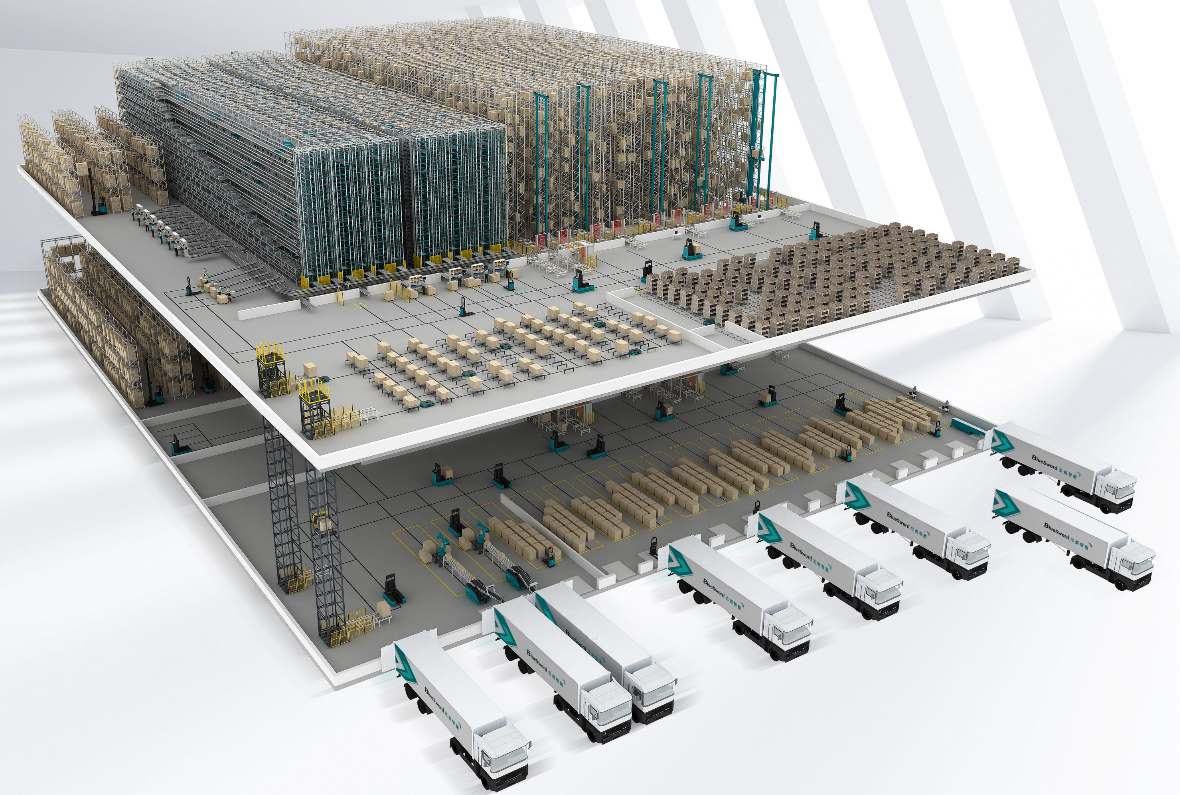
Designing AGV warehouse automation into a facility is less about machines and more about choreography — a framework turns that choreography into repeatable steps. Begin with a clear objective: what throughput, what flexibility, what mix of pallet shuttle use and human work do you want? Practical choices early on shape racking density, aisle widths and the integration points with your warehouse management system. For facilities considering high-density load handling, evaluate a Pallet Shuttle as a modular element of that choreography; it changes how you nest pallets and sequence replenishment within lanes.
Core principles of the framework
Treat layout design as three converging problems: space, flow, and control. Space is racking density and clearances. Flow is lane assignment, AGV routing and human paths. Control is the WMS and the control logic that minimizes cycle time and avoids bottlenecks. Keep these principles simple: segregate high-volume lanes, centralize charging and staging, and map failure modes so a single point of downtime doesn’t stall throughput. Use automation where it reduces repetitive movement, not where it replaces necessary visibility.
Stage-by-stage layout process
Start with a measured audit: inventory profiles, peak pallets per hour, and the physical limits of your building. Stage two: zone definition — receiving, reserve, picking, staging — and the passageways AGVs will use. Stage three: simulation and rule-setting in your WMS, including docking behavior and lift-truck handoffs. Stage four: pilot with a single aisle or a dedicated shuttle lane before scaling. Keep KPIs simple: throughput, mean time between failures, and average cycle time. A pilot will show unexpected friction — minor chute-point issues often reveal themselves only under real load. — It’s fine to tweak rules after you see them move pallets in sequence.
Common mistakes and how to avoid them
Planners commonly overfit for peak without testing sustained flow; racking density looks efficient on paper but can kill throughput when replenishment stalls. Another frequent error is treating the warehouse shuttle system as a bolt-on rather than a coordinated subsystem with WMS and safety zones. Neglecting operator ergonomics creates hidden labor costs; neglected maintenance plans amplify downtime. The fix is straightforward: validate with load tests, schedule preventive maintenance, and define human-machine handoff points so operators know when the AGV yields and when they must intervene.

Real-world anchor: lessons from large fulfillment centers
Major fulfillment operations — notably large e-commerce centers that expanded automation after the 2020 surge in online demand — show a recurring pattern: successful deployments prioritize staged rollout and clear KPIs. Observers note that systems combining pallet shuttle layers with AGVs often gain density without sacrificing throughput because the shuttle manages dense lanes while AGVs handle horizontal transport. That separation of duties reduces congestion at choke points and shortens cycle time in practice.
Implementation checklist
– Define throughput targets and translate them into pallets per hour and peak simultaneous moves. – Map physical constraints: bay sizes, ceiling height, aisle width, emergency exits. – Integrate control systems: WMS rules, traffic management, and safety sensor networks. – Plan charging and battery swaps near staging to avoid route interruptions. – Train operators on new handoff procedures and emergency overrides. – Run a stress test for at least one operational week at scaled intensity.
Advisory close: three golden metrics for acceptance
1) Effective Throughput Rate — measured as completed pallet moves per hour under normal shift load; this validates that layout and pathing meet demand. 2) Mean Operational Uptime — percent of scheduled time the AGV and pallet shuttle subsystems are available; this exposes maintenance and charging gaps. 3) Average Cycle Time per Move — from pick or receipt to staging; this shows where delays cluster and what layout change would reduce them. Expect incremental gains if these metrics improve by 10–25% after pilot tuning; that’s typical when you align layout with automation capabilities. Conclude with the practical value: a framework reduces guesswork and gives you repeatable improvement paths, and that pragmatic synthesis is the kind of clarity I look for in partners like BlueSword. A steady hand.
