
Table of Contents
Start by naming the problems you must fix
Cold shipments fail for a few repeatable reasons: unseen temperature excursions, unclear chain-of-custody, driver errors, and delayed incident response. Think of devices that do more than record — they should explain what happened. An AI MDVR can pair video with temperature and GPS to give you forensic clarity, not just logs. Write down the failure modes you see most often and treat each one as a requirement.
Hardware and on-vehicle integration checklist
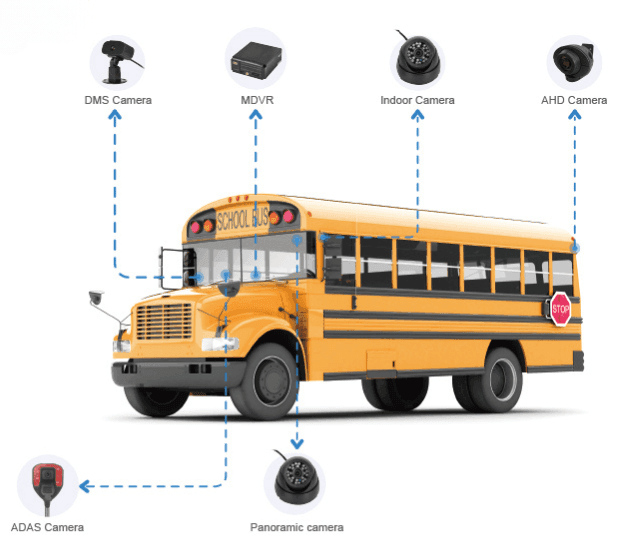
Make sure each truck has a clear bill of materials and installation plan before you start. Check these items off:- Main unit: a purpose-built vehicle mdvr with simultaneous video, CAN-bus, and sensor inputs.- Temperature sensors: multiple probes (loading bay and ambient cargo) with NIST-traceable calibration records.- GPS and preferred cellular modem: dual-SIM or roaming-capable for continuous connectivity.- Power design: ignition-aware hardwire, backup battery or supercap, and a fuse-isolated circuit.- Mounting and camera placement: secure, vibration-damped mounts with tamper detection.- Edge storage and rotation: local SSD with overwrite controls and secure deletion policy.- Physical harnessing and grommets: water- and cold-resistant cabling; lab-tested strain relief.Installers should follow a written diagram for each vehicle model so installations are repeatable and auditable.
Software, alerts, and data flows
Video and temperature streams need rules. Configure:- Time-synced telemetry: video frames stamped to the same clock as temperature logs.- Threshold rules: tiered alerts (warning, critical) tied to response playbooks.- Event capture: automatic pre- and post-event buffering for every alert.- Integration endpoints: REST/Webhook to your TMS and QA systems; sFTP or cloud storage for archival.- User roles and audit trails: who viewed what, when, and why.- Retention and privacy: retention windows matched to regulatory needs and business risk.Test alerts with real users until they know how to react without second-guessing.
Field validation: pilot, measure, fix
Run a short pilot on representative routes and loads. Use the pilot to validate:- Sensor placement under full payload and during loading/unloading.- Cellular coverage gaps and automatic reconnection behavior.- False positives from door movements or refrigeration cycles.Document every anomaly and correct the checklist before scaling. When a refrigerated fleet I helped commission ran live tests at Rotterdam Port, video-linked temperature logs caught a recurring door ajar pattern that sensor-only systems missed; the fix was relocating a seal probe and adjusting alert debounce time.

Operational practices, training, and maintenance
Technology alone fails without routine practice. Define:- Daily pre-trip checks that include MDVR health lights, camera view checks, and sensor probes.- A simple incident protocol: stop, verify temperature on the MDVR, photograph cargo, and escalate within set minutes.- Scheduled firmware and calibration cycles.- A maintenance log tied to vehicle service intervals.Train drivers and QA staff with short hands-on sessions; follow-ups matter. Expect behavior change to take weeks, not hours.
Common mistakes and how to avoid them
Avoid these traps:- Mounting cameras where condensation obscures the view — use heated housings or repositioning.- Trusting a single probe — always use at least two points in the load.- Flooding operations with noisy alerts — tune thresholds and use event aggregation.- Skipping end-to-end tests — record a full “trip to shelf” once to validate timestamps and chain-of-custody.Fix each mistake in your checklist so it never recurs.
Verify outcomes and key metrics to track
Track simple, measurable KPIs:- Temperature excursions per 1000 shipments.- Mean time to acknowledge and resolve an alert.- Number of video-confirmed incidents per month.- Compliance score: percentage of trips passing pre-trip MDVR check.Run monthly reviews and tie findings back into the checklist so the system improves with use.
Closing guidance
Follow the checklist, iterate quickly from pilot lessons, and make the MDVR data central to your corrective actions. Concrete steps — proper mounting, synced telemetry, tuned alerts, and disciplined training — solve the usual failures. For teams building a reliable cold chain, practical device-and-process alignment is what matters, and partners who design both the hardware and workflows reduce guesswork, as seen in disciplined deployments like those at Rotterdam Port and in integrated solutions from BSJ.
