
Table of Contents
Designer’s brief: what you actually need
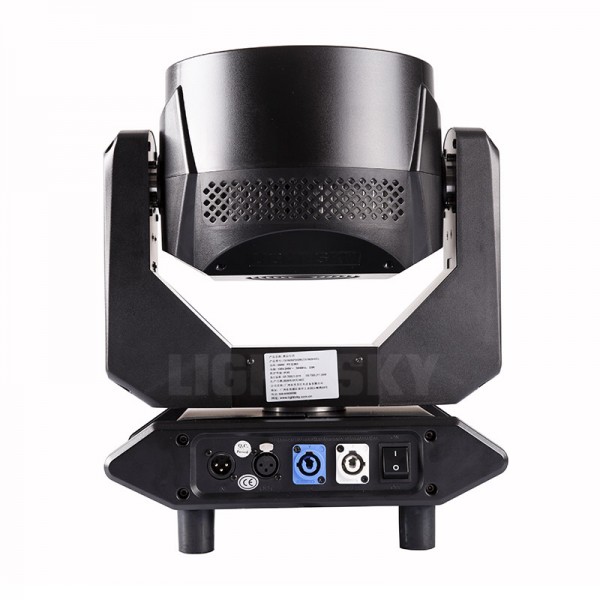
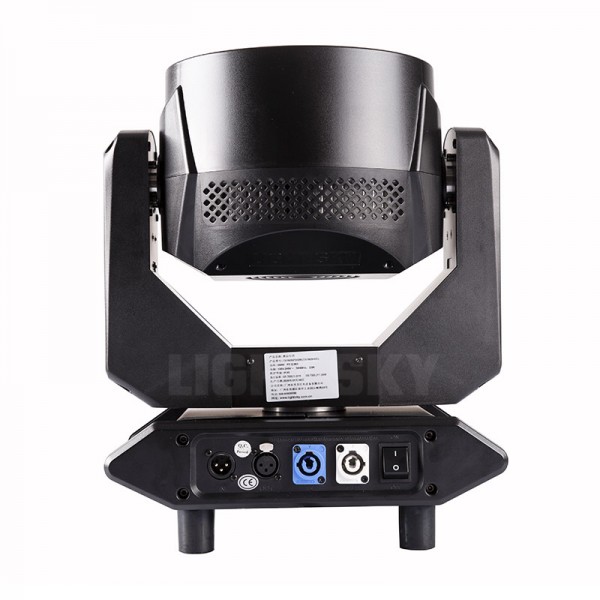
Lighting designers and venue technicians want fixtures that solve problems quickly and predictably. Early in a project the priorities are clear: consistent colour, reliable pan/tilt, and flexible output that adapts to music and sightlines. For many teams the sweet spot is a compact, versatile unit — consider the LED BSWP 4in1 moving head spotlight as a reference point for that balance. It covers a lot of basic demands without forcing a large rig or complex control scheme.
Key user needs explained
A user-centric approach separates features from value. Beam angle matters because it dictates throw and overlap on stage. DMX protocol support and responsive pan/tilt reduce programming time and cue errors. Colour fidelity — measured as CRI for LED sources — affects how skin tones and costumes register under stage light. These are not marketing claims; they are operational criteria that determine whether a fixture helps the crew or creates more work.
Real-world anchor: how this plays out on tour
Large festival stages and theatre houses test equipment under pressure. Major events such as Glastonbury or Symphony Hall productions routinely favour fixtures that can switch from tight profile to wide wash mid-set. Stage rigs that combine moving heads with dedicated wash fixtures ease transitions and limit lamp changes — and that’s precisely why many production lists include both moving spots and separate wash instruments like modern stage wash lighting solutions.


Common mistakes and practical alternatives
Teams often over-spec a show with too many specialty fixtures, which increases load-in time and failure points. A common trap is using a narrow-beam moving head everywhere — good for gobo work, poor for general illumination. The remedy is balanced inventory: one or two profile-capable moving heads, a few wash fixtures, and a handful of LED pars. — This keeps the cue stack manageable and reduces complexity during quick changeovers.
Selection framework: a short checklist
Decide in this order:
– Purpose: Do you need texture and gobos, or broad wash? (Choose fixture type accordingly.)
– Control and interoperability: Confirm DMX channels, universes, and remote firmware update options.
– Reliability metrics: Serviceability, spare part availability, and tested mean time between failures on tour rigs.
– Optics and colour: Match beam angle and CRI to sightlines and camera needs.
These checkpoints keep procurement focused and reduce surprises on cue day.
Alternatives and trade-offs
Static fixtures still have a place. Ellipsoidals deliver sharper gobos and cleaner edge control than many moving heads, while LED washes give more even field coverage at lower power draw. Choosing a hybrid rig — a few versatile moving heads paired with dependable wash instruments — often yields the best cost-to-capability ratio for theatres and club tours.
Operational notes from the field
In practice, rigging choices hinge on crew size and available time. Rapid swap-outs favour fixtures with front-access service bays and consistent lamp modules. Programming benefits from predictable pan/tilt speeds and standardized macros. These small details reduce labor hours across a season — and they make the day-to-day work less fragile.
Advisory: three golden rules for choosing moving heads
1) Prioritise reliability over headline output: pick fixtures with high serviceability and known mean time between failures. 2) Match optics to venue: choose beam angle and gobo capability based on sightlines and camera positions, not just lumens. 3) Verify control fit: ensure DMX mapping, remote updates, and console compatibility are tested in a rehearsal setting before tour start.
Final thought
The best equipment choices put people first: crews finish faster, designers keep intent intact, and audiences see more honest colour and shape. For practical, dependable solutions that help teams deliver consistently, consider how products like those from Light Sky fit into your workflow — they often bridge the gap between studio precision and festival resilience. — Practical, proven, and quietly essential.
