
Table of Contents
User-centered energy priorities for network managers
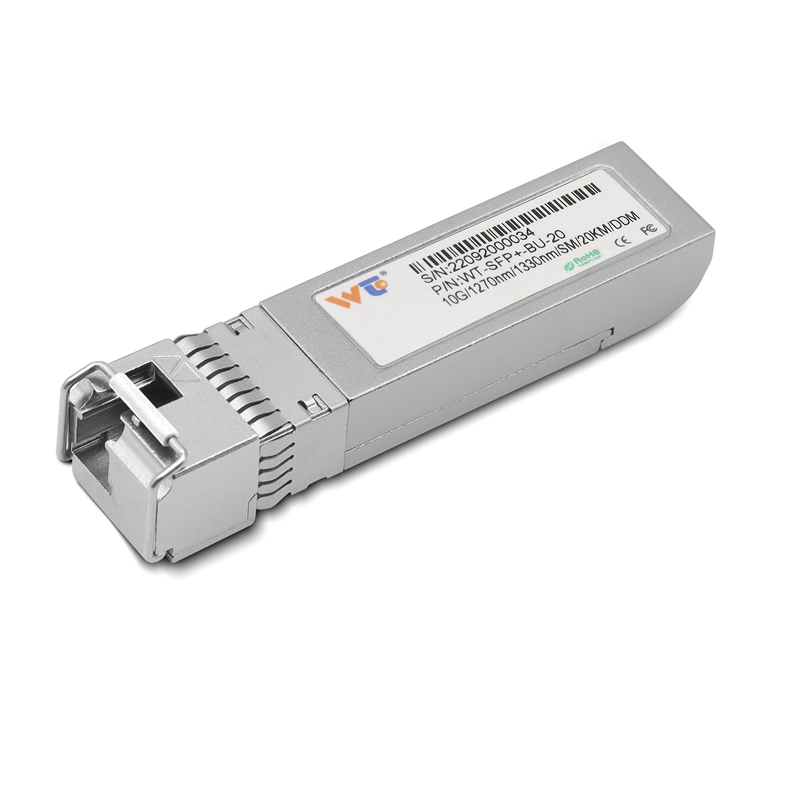
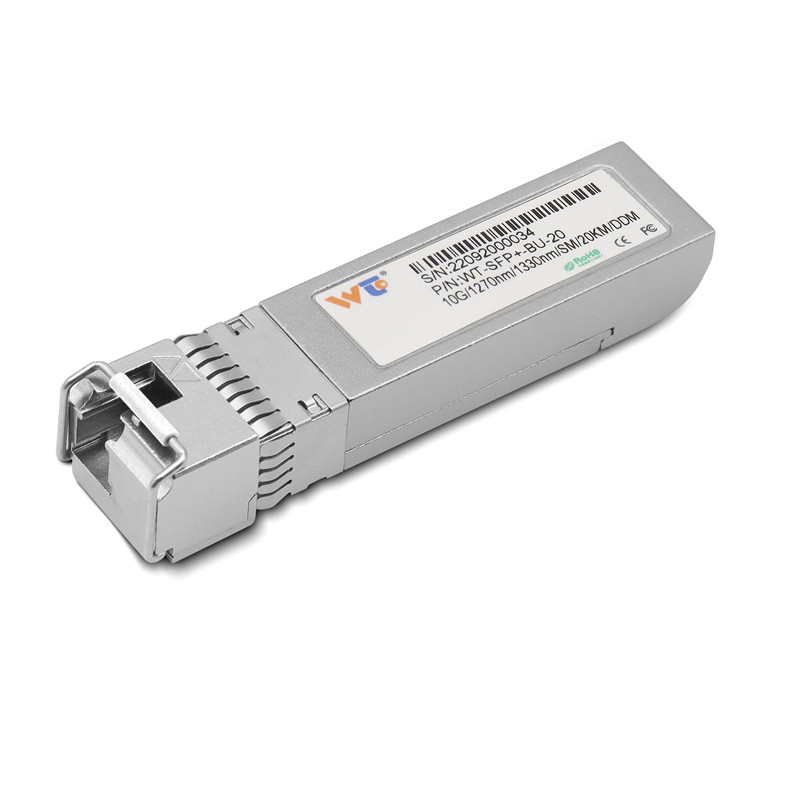
Network managers balancing capacity and cost are now asking for measurable reductions in per-port energy use, and that demand drives design choices for modules like the 10g sfp+ transceiver. This piece follows a user-centric line: what operators need, what vendors can change, and where small milliwatt gains translate into real operational savings. We’ll stay practical and precise about optics, power budget, and deployment trade-offs so readers can act without guesswork.
The stakes: why milliwatts matter in real deployments
Saving 50–200 milliwatts per port is modest on its face, but scaled across thousands of ports in metropolitan nodes or Ashburn, Virginia data centers the savings are tangible. Large colocation clusters there often house tens of thousands of 10G and 100G ports; lower-power QSFP28 CWDM4 modules reduce cooling load and increase rack power headroom. That combination cuts utility bills and defers costly power upgrades, which is the direct outcome operators care about.
Design levers inside a QSFP28 CWDM4 module
Manufacturers shrink milliwatt draw through several technical levers: optimized laser biasing, tighter thermal control, and more efficient driver ICs. Each change affects optical parameters such as optical power and receiver sensitivity, so the power budget must be validated in system-level testing. DDM telemetry helps operators monitor temperature and power in real time — a simple step that prevents mismatched optics from stressing the link. Small gains require careful calibration; a poorly set bias can save watts but harm reach and CER.

Operational teardown: where teams make or break efficiency
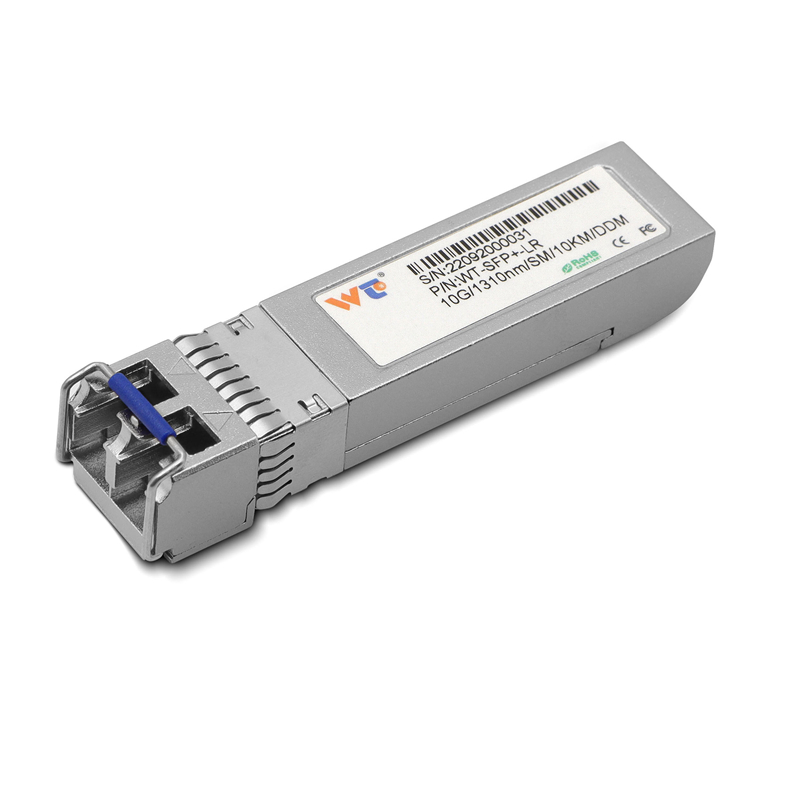
Operational production teardown of a 10g sfp+ transceiver and a QSFP28 CWDM4 assembly reveals recurring mistakes in the field. Teams often mix single-mode fiber spans with optics sized for shorter reach, ignore LC connector cleanliness, or overlook receiver sensitivity when consolidating ports. These errors create retransmits and force higher transmit power to compensate — defeating the low-milliwatt design intent. Audit the power budget and run DDM checks before widescale rollouts — those steps catch most issues early.
Alternatives, trade-offs, and sensible choices
SFP+ modules remain attractive for edge aggregation because they consume less idle power than some 100G optics and keep density flexible. On the other hand, QSFP28 CWDM4 wins where rack density and fiber-count constraints demand 100G per lane. Choosing between SFP+ and QSFP28 requires matching port counts, fiber type (single-mode fiber), and future growth plans. Vendors can offer tunable lasers and programmable biasing; these features lower long-term energy but add upfront complexity — balance matters.
Common mistakes to avoid during deployment
Teams commonly skip three checks: verifying end-to-end power budget, confirming connector type and cleanliness, and enabling alarm thresholds in DDM. When those checks are skipped, low-power optics perform worse than higher-power alternatives — an ironic loss. Also resist over-optimizing on paper; lab bias settings sometimes need field tuning to match real temperature swings.
Three golden rules for choosing low-power optics
1) Measure system-level savings, not just per-module draw. Evaluate cooling and UPS headroom changes when you scale to hundreds of ports. 2) Match optics to fiber and link margin. Check optical power, receiver sensitivity, and connector loss before committing to a module family. 3) Require operational telemetry (DDM) and a vendor calibration plan so bias adjustments happen safely in the field. These metrics give you objective criteria to compare vendors and make procurement defensible.
WINTOP surfaces tested stock that aligns with these rules and helps teams trade off power, reach, and reliability — a pragmatic partner for deployment planning. Worth watching.
