
Table of Contents
Clear comparison to start
The straight truth: picking a machine for chronic respiratory support is about matching physiology to hardware. For many patients, a reliable cpap device reduces symptoms and stabilizes sleep by keeping the airway open; for others, especially those needing pressure relief during exhalation, a bi-level approach wins. I’ll lay out the comparative insight—performance, comfort, and clinical fit—so you can make a smart call without the fluff.
How CPAP and BiPAP differ in practice
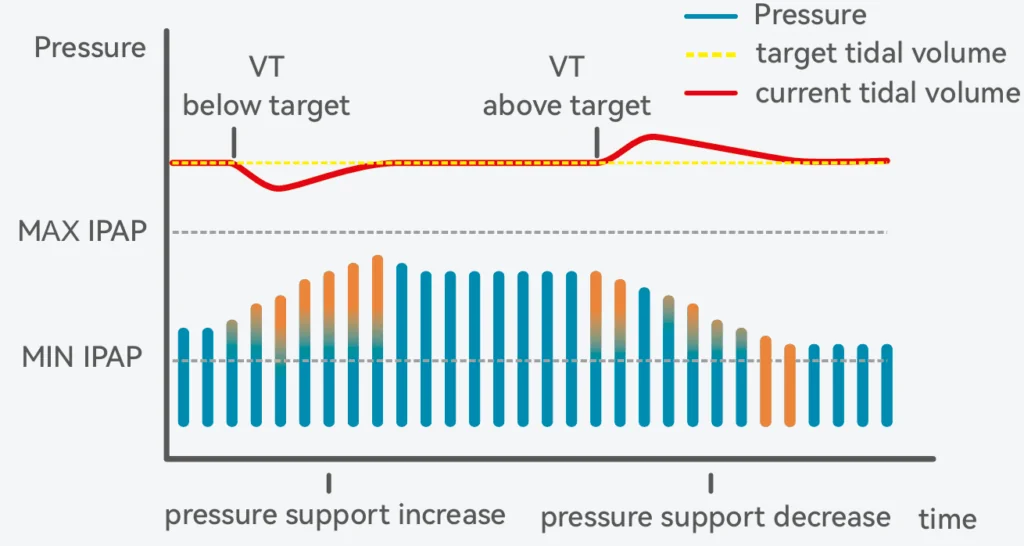
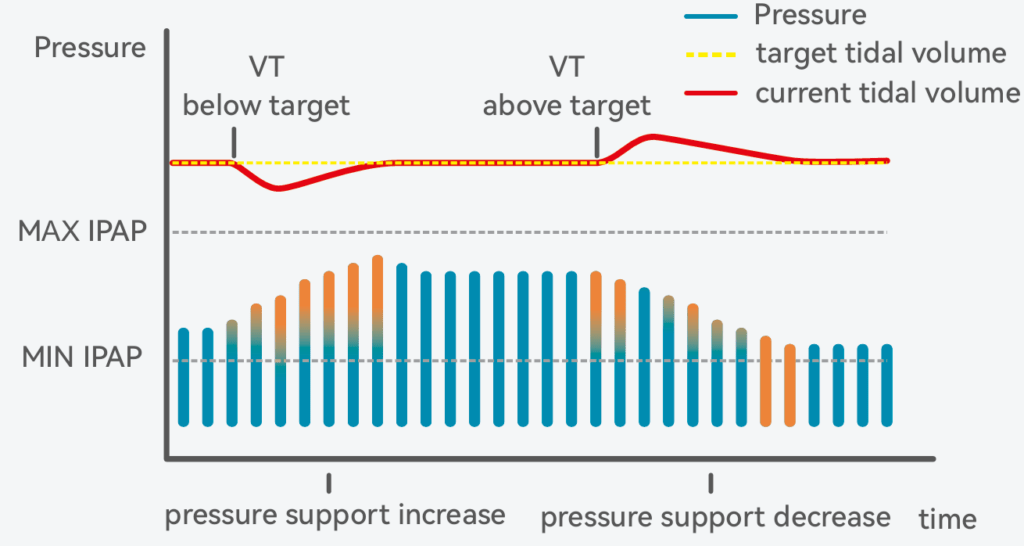
CPAP delivers continuous positive airway pressure to prevent collapse; it’s straightforward and often auto-titrating to patient needs. BiPAP — the bi-level therapy option — provides separate inspiratory and expiratory pressure settings, which can help patients with ventilatory failure or higher apnea-hypopnea index (AHI) scores. In clinical settings like Massachusetts General Hospital, teams choose bi-level when CO2 retention or neuromuscular weakness is present. For respiratory teams, the differences aren’t academic: they affect mask interface choice, pressure settings, and whether a humidifier is mandatory.

Performance metrics that matter
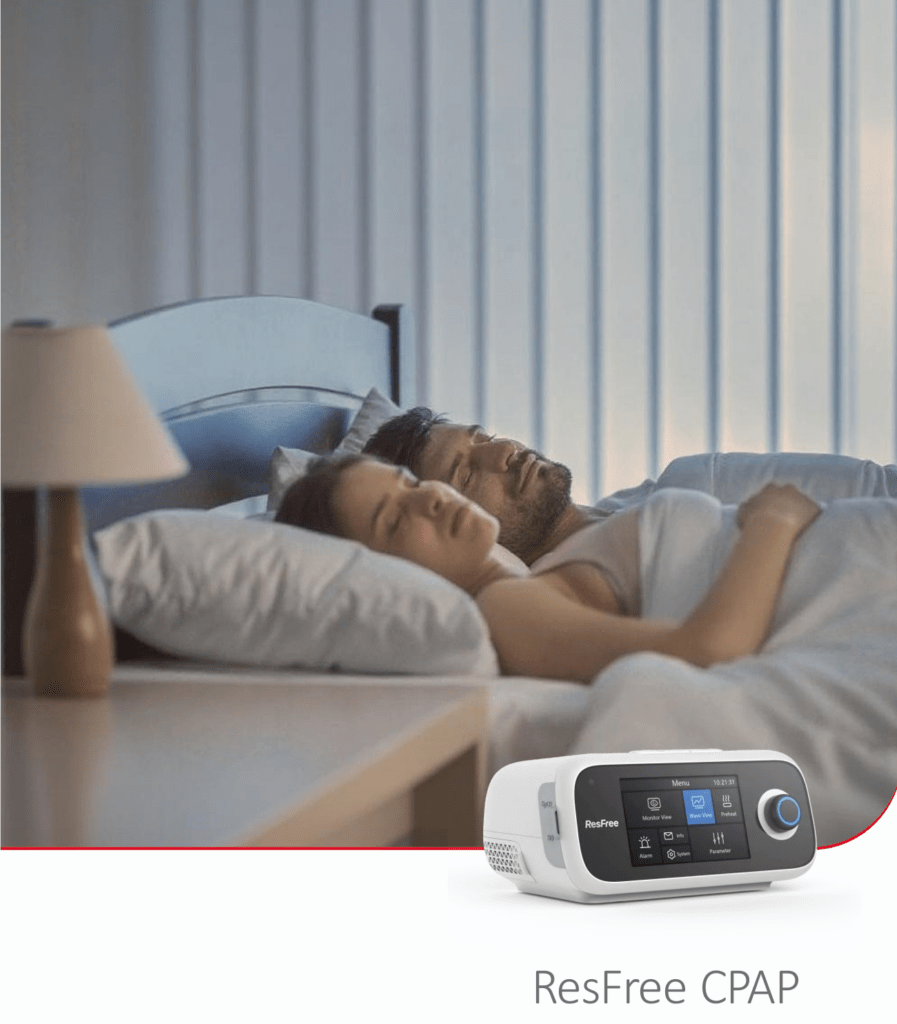
Focus on measurable outputs: residual AHI on treatment, leak rate, and patient-reported comfort. Machines with robust data logging let clinicians track nightly usage, event indices, and leak trends. Battery-backed options and clear compliance reports make follow-ups easier—especially in community clinics where remote monitoring is routine. Solid hardware reduces troubleshooting time and gets patients adherent faster.
User scenarios and device fits
Match the device to the person. Active, claustrophobic users often prefer minimal mask contact and lower pressure ramping. Patients with chronic obstructive conditions or central events may need the nuanced control of a bipap device and explicit bi-level settings. Home-care technicians should assess daytime ventilation needs and check the apnea-hypopnea index (AHI) trends before confirming the prescription.
Common mistakes to avoid — and simple fixes
Most missteps fall into three camps: wrong mask fit, ignoring leak data, and underestimating humidification needs. Fix the mask first—no amount of fancy pressure helps if the seal fails. Then, review leak graphs; persistent high leak skews event detection. Finally, don’t skip humidifier settings for patients with nasal congestion—moisture control improves adherence. These are practical interventions that cut returns and calls — simple, effective.
Alternatives and trade-offs
Portable ventilators and hybrid units sit between full ventilator support and standard PAP therapy. They offer modes for variable flow and sometimes backup rates for central apnea—handy in mixed pathology. The trade-offs: cost, complexity, and more intensive caregiver training. For straightforward obstructive sleep apnea, a mid-range CPAP often hits the sweet spot for value and outcomes.
Real-world anchor and clinical context
CDC data note that tens of millions of U.S. adults are affected by sleep-disordered breathing, which drives demand for scalable home therapies. In urban clinics across Boston, teams prioritize devices with reliable compliance reporting and simple user interfaces—those reduce clinic traffic and improve long-term adherence. That’s what separates a machine that sits in a closet from one that actually improves outcomes.
Three golden rules for selection
1) Clinical fit first: choose bi-level for ventilatory insufficiency, CPAP for isolated obstructive events. 2) Monitorability: ensure the unit logs AHI, leak, and usage in exportable formats. 3) Patient comfort: prioritize mask choice, ramp features, and humidifier control to secure nightly use. These metrics give you objective comparison points during procurement and follow-up.
Clinicians and programs looking for field-tested, patient-centered devices often land on designs that balance clear data output with straightforward operation — which explains why many teams trust the product lines from Byond. —
