
Table of Contents
Introduction — a short scene, a stat, a question
I once sat in a dim clinic room while a technician adjusted an LED panel above my shoulder; the hum was soft, the light oddly warm, and I felt oddly hopeful. In that moment I thought about how a single red light therapy company can promise recovery, glow, or relief—and mean very different things to different people. Studies suggest (conservative estimates) that device irradiance and wavelength can vary by as much as 40–60% across brands, which changes dose and outcomes. So how do you tell the serious makers from the flash-in-the-pan sellers? I ask because I care—really—and because small choices in timing, wavelength, and power change human results. Let’s move into the nuts and bolts next.
Where the Promise Falters: hidden pain points and technical flaws
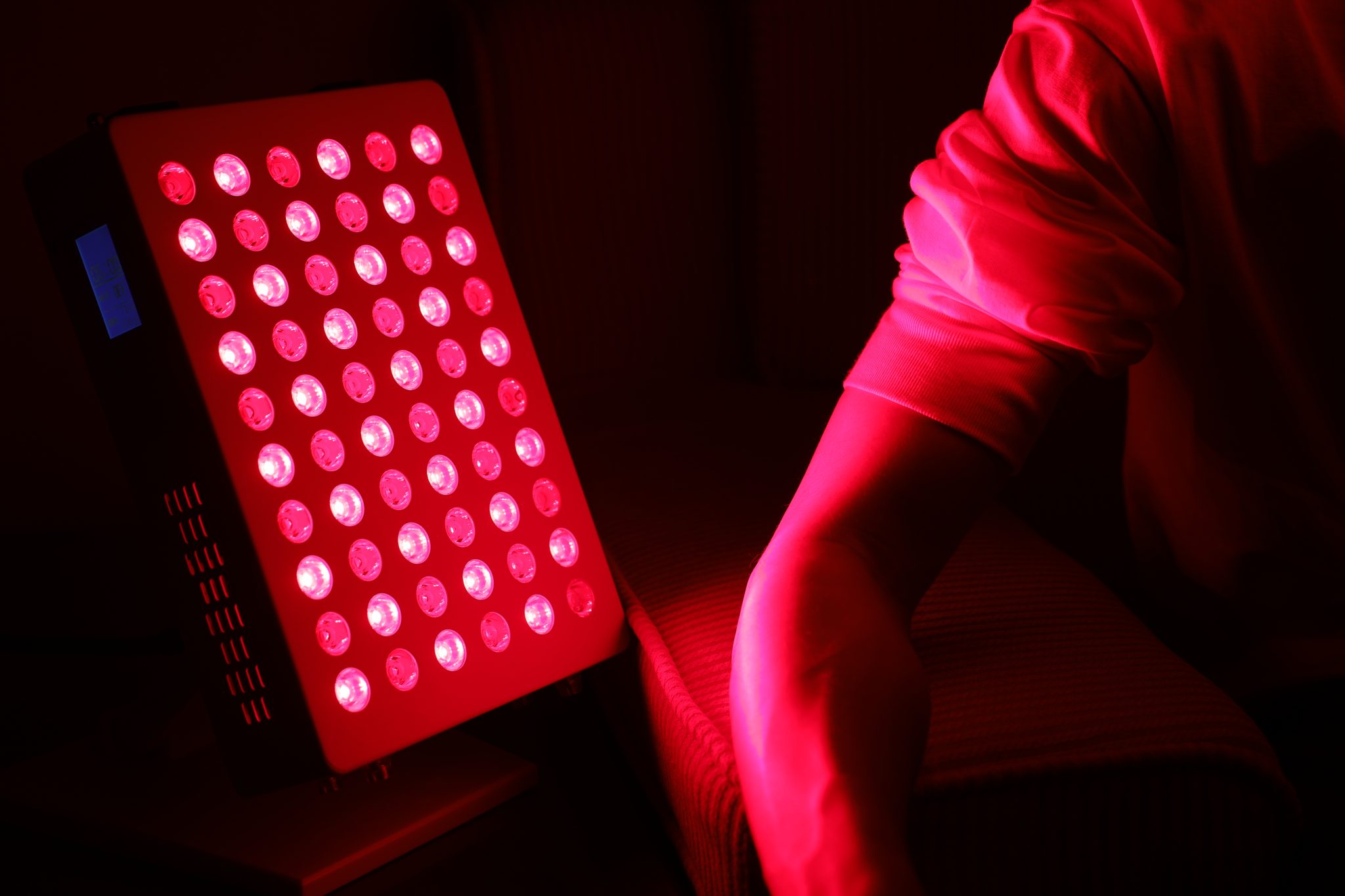
top red light therapy companies often tout clinical terms and glowing testimonials, but I want to talk plainly about the quiet problems I see under the surface. Devices with inconsistent LED arrays, mismatched wavelength selection, or poor irradiance control deliver uneven photobiomodulation. That means patients think they got a session, when really the dosage was too low—or too hot—for true biological effect. Look, it’s simpler than you think: if the device can’t hold steady wattage or lacks proper thermal management and power converters, the treatment becomes guesswork.
Why does this matter?
First, dosage matters. A session’s outcome depends on wavelength (630–660 nm for red, 800–880 nm for near-infrared), irradiance (mW/cm²), and duration. Second, user confusion is real—many buyers equate higher brightness with better results, which is misleading. Third, service and aftercare are uneven; some brands ship hardware and vanish. I’ve tracked patterns where clinic operators replace panels prematurely or misread treatment logs because firmware was locked or opaque. That’s a pain point: poor device telemetry—no clear log of cumulative dose, session timing, or actual irradiance—leaves therapists blind. These flaws erode trust and patient outcomes. In my view, transparency in specs matters as much as the lamp design.

Looking Forward: design principles and practical choices
When I think about the future, I focus on principles that top companies should adopt. New device designs must center on reproducible dosage, clear treatment protocols, and modular hardware. For example, a device that logs wavelength, irradiance, and cumulative energy density (J/cm²) gives clinicians reliable feedback. That’s why I keep an eye on how top red light therapy companies implement open calibration routines and user-adjustable treatment windows. Semi-formal testing—simple bench measures and user trial logs—go a long way. Also, don’t underestimate thermal control and power converters: they ensure stable output over long sessions. Consistency beats flash every time.
Real-world Impact
In practice, choosing a device often becomes a balance: cost, ease of use, and measurable performance. I’ve seen clinics switch to units with better telemetry and immediately reduce wasted sessions—funny how that works, right? When clinicians can see real numbers, they adjust session length and cadence more confidently. That leads to better compliance and clearer patient feedback. The shift isn’t glamorous; it’s practical. It means fewer returns, more predictable outcomes, and a steadier reputation for the brand that gets those basics right.
Advice for Choosing and Evaluating Red Light Solutions
To wrap up, I’ll give three practical evaluation metrics I use when I assess a brand or device. First, verify output stability: ask for irradiance curves and calibration reports. Second, demand clear protocol guidance: look for recommended wavelengths, energy density (J/cm²), and treatment cadence. Third, examine telemetry and service: can the unit log cumulative dose, and is firmware transparent? These checks separate earnest makers from clever marketers. I prefer companies that publish straightforward data and support clinicians with training—because at the end of the day, we want human benefit, not clever packaging.

I’ll be honest: I’m protective of patients and practitioners. When brands commit to clarity—on wavelength, irradiance, and dosage—they build trust. When they don’t, people waste time, money, and hope. If you’re investigating suppliers, keep those three metrics front and center. For reliable engineering and sensible product choices, I often point colleagues to firms that pair solid hardware with honest data. For one such example, consider Magique Power.
