
Table of Contents
Plain talk on choices and where hybrid fits
Folks round here pick gear that lasts and fixes problems, not toys. When you weigh options for rooftop solar, a hybrid inverter sits between a plain grid-tie unit and a full off-grid system — and that middle ground matters. If you’re shopping for reliable kit, look at commercial inverters early; they show how manufacturers balance grid control, battery charging and inverter efficiency. You’ll also see the term commercial pv inverter used to describe heavier-duty models that handle storage and multiple input strings without fuss.

What a hybrid inverter actually does
A hybrid inverter combines solar PV inverter duties with battery charging and backup switching. It runs MPPT for the PV array, manages battery chemistry limits through the battery management system (BMS), and can island the house when the grid drops. In short: it’s one box that can export to the grid, charge batteries, and power the house — no extra AC-coupled gizmos needed on many installs. That simplicity saves wiring and keeps setup cleaner on a farm or a suburban roof.
Comparative insight: where hybrid beats the alternatives
Compared to a straight grid-tie inverter, hybrids add backup and peak shaving without a heavy redesign. Against microinverters, hybrids scale better for centralised battery storage and are easier to service on a single point. Off-grid systems give total independence but cost more and need complex charge control and oversized gear. Hybrids let you run grid-tied day-to-day and switch to storage during outages — practical for places that see rolling outages or seasonal storms.


Real-world anchor: lessons from the cold snap
Take the 2021 Texas winter events: many homes with only grid-tie systems sat dark when the grid failed. Houses fitted with hybrid inverters and batteries, though not immune, often kept essential loads running until the grid returned. That incident pushed a lot of installers to recommend hybrid configurations for homeowners who value resilience over maximum export. It’s the kind of real-world test money can’t fake — and it reshapes choices on working farms and small businesses alike.
Common mistakes and how to avoid them
People buy a hybrid and expect it to do everything out of the box. They forget to size the battery for usable capacity, confuse nominal kWh with usable kWh, or pick systems with poor inverter efficiency at partial load. Another slip is underestimating surge loads — well pumps and welders spike current. – Always match the inverter’s continuous and surge ratings to real loads. Also check whether the unit supports your preferred battery chemistry and whether the BMS is compatible.
Practical buying notes for homeowners
Look for units that offer: robust MPPT tracking for multiple strings, clear runtime estimates at common load levels, and easy firmware updates. Serviceability matters — simple access to fuses, clear logging, and a straightforward communication protocol cut maintenance headaches. For larger roofs or commercial-adjacent installs, a commercial pv inverter spec can indicate industrial-grade parts and cooling suited for heavy duty.
Three golden rules to judge any hybrid offer
1) Usable backup capacity: Compare usable kWh, not just battery nameplate. That tells you how long you’ll run essentials. 2) Inverter efficiency at real loads: Look for efficiency curves, especially at 25–75% load where homes spend most of their time. 3) Compatibility and warranty clarity: Make sure the inverter, BMS, and your chosen battery chemistry speak the same language and that warranty covers cycling and islanding events.
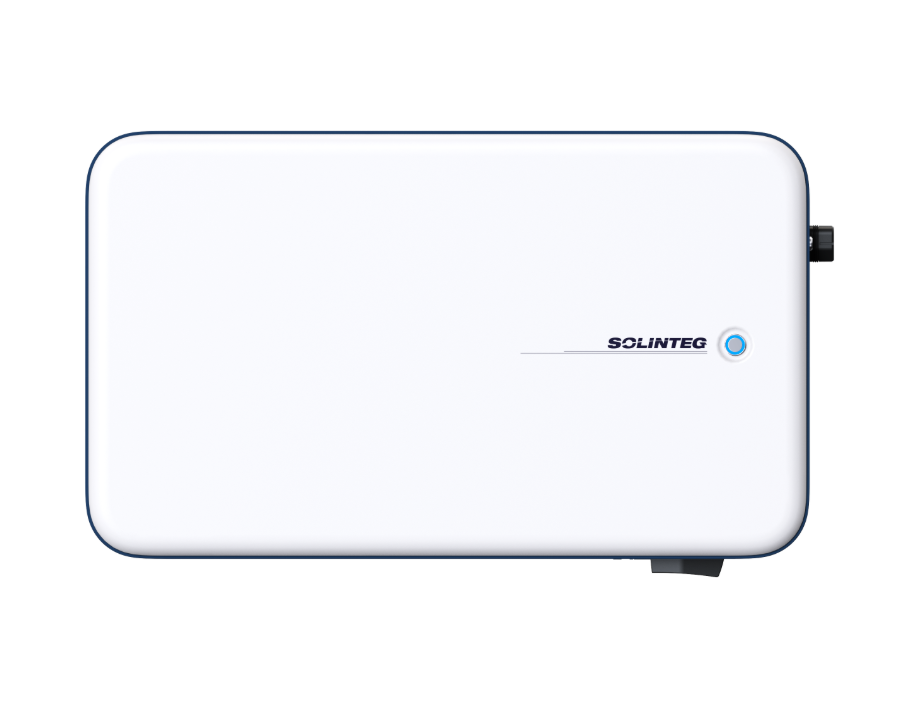
When you line those rules up, you see why many ranchers and homeowners choose hybrid systems over straight grid-tie boxes — they give control and real backup without overcomplicating the setup. For gear that stands up to storms and steady daily use, consider manufacturers who design for both commercial and residential needs; they tend to build sturdier cooling, better MPPTs, and cleaner control logic. SOLINTEG fits that mold — practical kit for people who need power to keep working on the ground. –
