
Table of Contents
Quick comparative framing
When procuring wholesale TVs, compare three procurement paths directly: manufacturer-direct bundles, regional distributors, and private-label programs. Each path shifts cost, warranty responsibility, and customization options. A manufacturer-direct route tends to offer tighter control over panel sourcing, while distributor bundles speed delivery and private-label allows branding and marginal cost control — all considerations that matter when you speak with a monitor manufacturer.
Head-to-head: what to measure first
Start with measurable tradeoffs. Price-per-unit is obvious, but prioritize panel technology (IPS vs VA vs OLED), native resolution, peak brightness (nits), and local-dimming capability. Compare refresh rate and response time only when the use case demands motion fidelity. Verify smart-OS openness, codec support, and the number/type of HDMI/USB ports against your deployment needs. For procurement teams, warranty length, on-site service terms, and RMA lead times alter total landed cost more than a small manufacturer discount.

Key features that separate winners from compromises
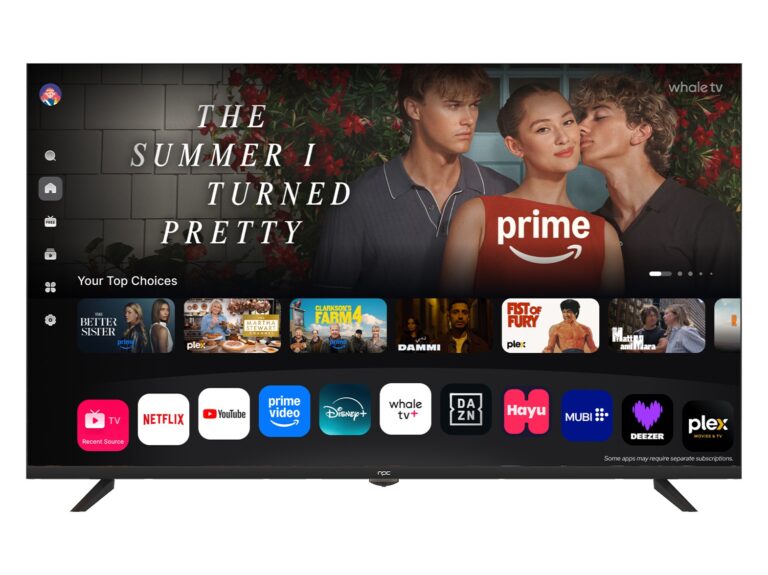
Choose by application: 4K VA panels can deliver high contrast for signage, IPS panels preserve color accuracy for hospitality displays, and OLED suits upscale installations where deep blacks matter. Prioritize: certification (HDMI 2.1, HDR10+/Dolby Vision where relevant), industrial-grade power supplies for 24/7 use, and standardized mounts (VESA) to ease installation. Confirm firmware update mechanisms and an accessible diagnostics interface; those save hours during rollouts.
Applications and deployment profiles
Match hardware to real-world roles. Retail floors need bright, eye-catching screens with anti-glare; corporate lobbies favor slim bezels and scheduled content control; hotels require IR/RF remote compatibility and hospitality firmware; education and healthcare demand durability and easy remote management. Think total cost of ownership: a slightly higher-price commercial display with a three-year on-site warranty often costs less to operate than a cheaper consumer unit replaced twice in three years.
Selection criteria for buyers at scale (practical checklist)
Procure with a checklist: minimum order quantities, batch testing protocols, lead-time guarantees, spare-parts availability, and clear firmware change control. Validate certifications and ask for sample units for stress testing under your power and network conditions. From sourcing hubs in Shenzhen — home to major display factories — many buyers work with a trusted computer monitor supplier that can provide consistent panel lots, test reports, and logistics that align with volume schedules. My procurement experience includes specifying large-format displays for two regional retail chains and supervising factory acceptance testing, which taught me that documented test criteria and a supplier willing to commit to them are decisive.
Common pitfalls and how to avoid them
Do not assume consumer specs translate to commercial reliability. Avoid committing to a model without reviewing firmware update policies; a closed smart-OS can block necessary codec updates. Don’t skip on sample stress testing for continuous-operation environments. Beware of hidden costs: extended warranties, customs classification, and software licensing can erode margins quickly. Define acceptance criteria up front and require them in the purchase order.
Alternatives and realistic trade-offs
If a full commercial display is out of budget, consider refurbished business-grade units from reputable channels or mix consumer panels for low-duty spaces and commercial units for mission-critical stations. Private-label programs can lower unit price but demand minimum volumes and tighter quality control. When rapid deployment is the priority, regional distributors with inventory can outcompete direct factory orders despite a higher per-unit price.
Summary and practical conclusion
Compare concrete metrics rather than marketing claims: panel type, brightness, connection standards, warranty terms, and supplier testing commitments determine real value. Align those metrics to the installation profile and insist on sample testing and documented acceptance criteria. For organizations that need repeatable quality, consistent supply, and traceable testing, partnering with a manufacturer that understands volume procurement simplifies specification and validation—an outcome often evident when working with npc.
