
Table of Contents
What’s the real problem?
Things rarely work the first try. Batches go weird. Viscous slurries won’t disperse. Scale-up wrecks a lab recipe. Engineers and buyers run into the same problems over and over. If you care about repeatable mixes, you need the right gear and the right specs. Start by checking real-world fit, not just glossy brochures — and see what actual industrial mixing solutions do on the shop floor.
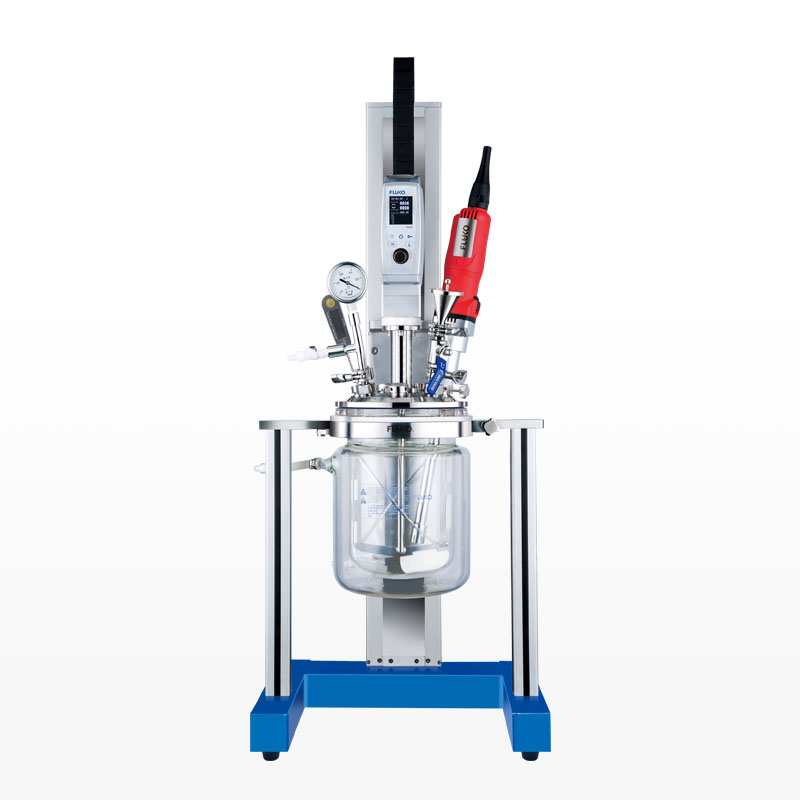
Core design pain points
Shear mismatch kills formulations. Wrong impeller or tank shape traps dead zones. Seals fail fast on abrasive slurries. Overpowering a mix wastes energy and ruins microstructures. Materials that look fine on paper corrode in minutes with caustics. Plan around those failure modes, not around ideal test conditions.
How to pick specs that actually work
Define your worst-case fluid first: viscosity, solids %, temperature, and if it foams. Pick impeller type to match the task: rotor-stator or high-speed turbine for fast dispersion; anchor or helical for high-viscosity folding. Set power per volume based on target shear, not wishlist rpm. Size the tank for 20–40% headspace to avoid splashing and let installed baffles kill vortexing. Choose seals and bearings rated for the actual chemistry and a maintenance interval you can live with. Specify clean-in-place if your product needs sterility.

Common pitfalls buyers hit
Buying by vendor reputation alone. Choosing lab gear and expecting linear scale-up. Ignoring NDT and instrumentation for critical runs. Under-budgeting for spare parts and seals. Overlooking operator ergonomics — controls that look neat on a spec sheet become daily pain if they’re not intuitive.
Alternatives that deserve a look
Inline high-shear units: compact, good for continuous ops, but harder to service. Colloid mills: great for very fine dispersions, but clog with high solids. Batch rotor-stator mixers: versatile, easier to validate, but use more floor space. Pilot-test the method that matches your process cadence. No single option fits every product, so match trade-offs to your production rhythm.
Real-world checks & trust
I’ve seen the same scale-up traps showcased at ACHEMA in Frankfurt — demos that worked for a thin polymer but failed for pigment slurries. When you vet suppliers, ask for documented case studies and shop-floor test results. Also review available industrial mixing products data sheets and request actual performance curves under conditions that mirror your worst batch.

Wrap-up — what to do now
Fix the problem by designing from worst-case backward: define the hardest material, force the specs to meet it, and pilot-test at an intermediate scale. Prioritize serviceable designs and correct materials over flash features. That approach steers you away from repeated failures and toward consistent output — which is why experienced teams standardize on reliable gear like FLUKO for predictable mixing results.
