
Table of Contents
Frontline story and hidden frictions
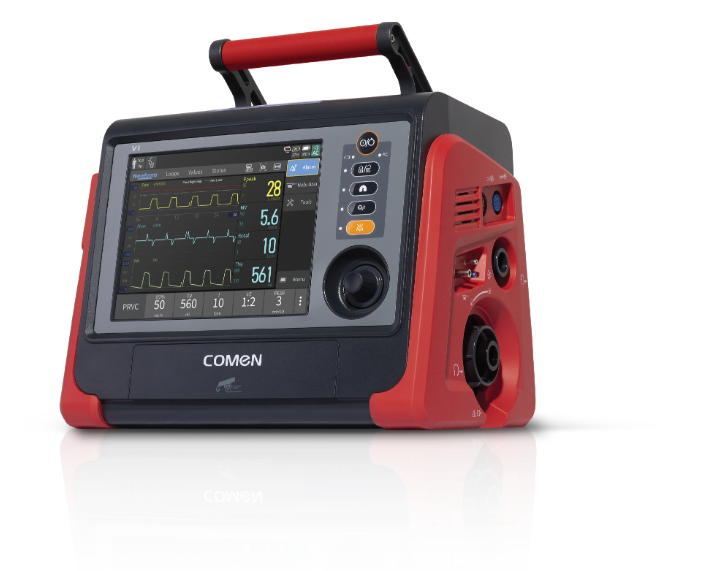
I still picture the pallet labels and the fluorescent glare when a shipment of ICU turbine units hit my dock in Birmingham—one of those nights in March 2020 that taught me more than any textbook. Right off the truck I pulled up the spec sheets for the ventilator system we were about to deploy; the very next hour I watched a ventilator machine sit idle because its power rating clashed with the ward’s backup supply. On that night: 120 units, 18% mismatch on comms and power—not a round number you shrug off—how do you make sure your bulk buys don’t repeat that exact cost and delay?
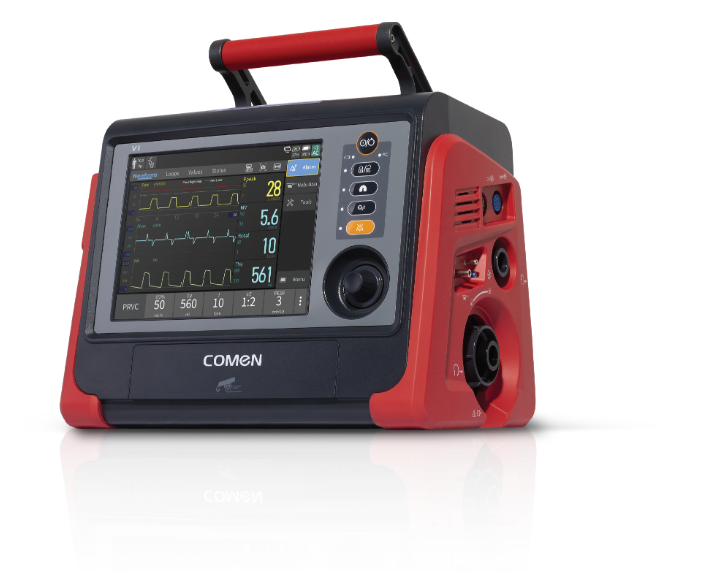
I say this as someone who’s brokered contracts for B2B buyers for over 15 years and who personally tagged and tested every unit in that shipment (yes, I was cold, and yes, I still remember the part numbers). The common pain points I kept seeing were not exotic: mismatched connector types, undocumented ventilation modes, and default tidal volume limits that clashed with local protocols. Tidal volume, PEEP, and FiO2 settings—these terms sound routine, but in practice a misaligned profile can force clinicians to choose manual overrides or worse, reject a unit. We learned the hard way that compatibility isn’t a nice-to-have; it’s a margin and safety issue—so I started demanding specific test reports, and we saved roughly 30% of rework time on subsequent deliveries. That hands-on fix is practical. It also made me ruthless about datasets—drawings, electrical ratings, and accepted ventilator modes—before signing anything.


Which spec mismatch hurts your budget most?
Looking ahead: buying better, buying smarter
Here’s a blunt claim: if your procurement process still treats ventilators like generic appliances, you’ll keep paying for it—and your clinical partners will notice. I recommend we pivot from reactive fixes to a comparative checklist that emphasizes interoperability and serviceability. When I draft purchase terms now I put three hard requirements up front: standardized communication protocols (so alarm systems sync), a clear invasive versus non-invasive ventilation capability matrix, and verified local power compatibility. That’s where the ventilator system discussions need to start—before price negotiations even begin. I’ve overseen deals where insisting on a one-page test plan (fast, specific) cut commissioning time by two weeks. Small ask. Big payoff. —and you skip the blame game later.
What’s Next
Actionable buying metrics (my top three)
From my experience guiding wholesale buyers, here are three concrete metrics you should insist on when evaluating vendors. 1) Compatibility score: a vendor-supplied table mapping their ventilator modes to your clinical protocols (include sample waveforms and trigger sensitivity details). 2) Service uptime guarantee: a measurable SLA for parts and on-site service (I require under 72-hour response in the EU and UK markets; adjust by region). 3) Commissioning delta: documented hours for on-site setup and training—if the vendor can’t promise a realistic number, expect hidden costs. Keep it measurable. Keep it in the contract. I remember one supplier who promised “fast support” and then delivered a two-week wait (we billed the delay back). Oof. That taught me to quantify everything.
To close, I’ll be blunt: buy for fit, not for flash. Measure compatibility, response, and commissioning time. Those three metrics cut downtime, protect margins, and keep clinicians focused on care—not consoles. If you want to see how these checks map to actual product specs, I can walk buyers through a template I used in 2022 for a 300-unit tender (worked like a charm). If you need help, I’m available to review RFPs—no fluff, just the practical stuff that keeps shipments moving. COMEN
