
Table of Contents
Opening — why this matters to you
If you run a small online shop in Cape Town or anywhere on the planet, packaging decisions aren’t just cosmetic — they affect cost, customer experience and your environmental story. Customers increasingly expect eco credentials, and you want shipping that looks on-brand without breaking the bank. That’s where swapping to custom poly mailers with logo can be a game-changer: branded, lighter than boxes, easier to store, and — when chosen right — kinder to the planet. After the 2020 global supply-chain disruptions many of us learned the hard way that suppliers’ lead times and material choices are strategic — not just operational. Also: globally only about 9% of plastic ever produced has been recycled, so material choice really counts.
Start here: what matters for your business
Put yourself first. Your priorities will typically be threefold: cost per parcel, brand impact on unboxing, and environmental claim credibility. If you’re selling clothing, for instance, a lightweight poly mailer reduces postage. If you’re a boutique maker, a printed mailer with a logo strengthens your brand moment. And if you say your mailers are biodegradable or recyclable — you must be able to back that up with supplier specs and accepted recovery streams. Don’t buy on price alone. Check lead time, minimum order quantity (MOQ), and whether the supplier can provide technical datasheets and certification.
Material choice: biodegradable vs 100% recyclable — practical differences
Both labels sound promising, but they mean different things in practice. Biodegradable films break down under specific conditions — industrial composting, usually — and aren’t always accepted in curbside recycling. 100% recyclable poly mailers, by contrast, are designed to enter established recycling streams, typically as polyethylene (PE) that many municipal systems accept. Your choice should be informed by where your customers live. Urban areas with decent recycling infrastructure will favour recyclable mailers. Rural regions or markets without industrial composting might render a “biodegradable” claim meaningless. Think logistics. Think end-of-life pathways.

Design and branding: how to keep it distinct and compliant
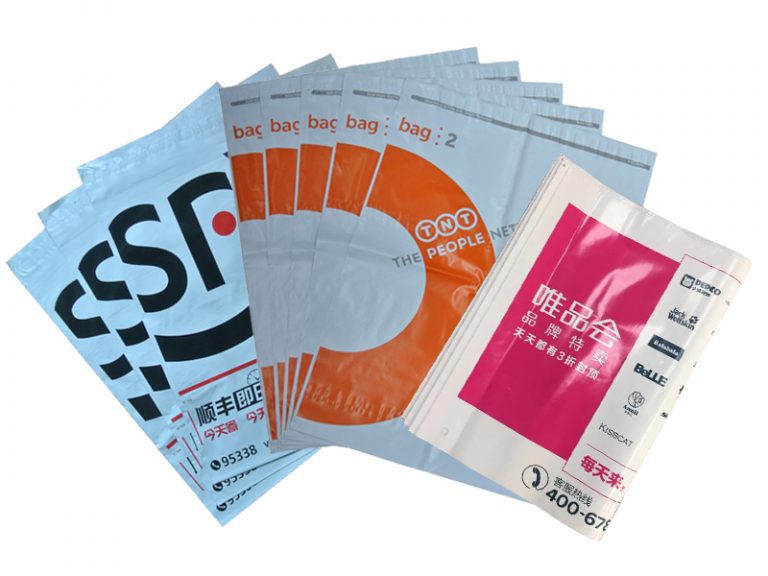
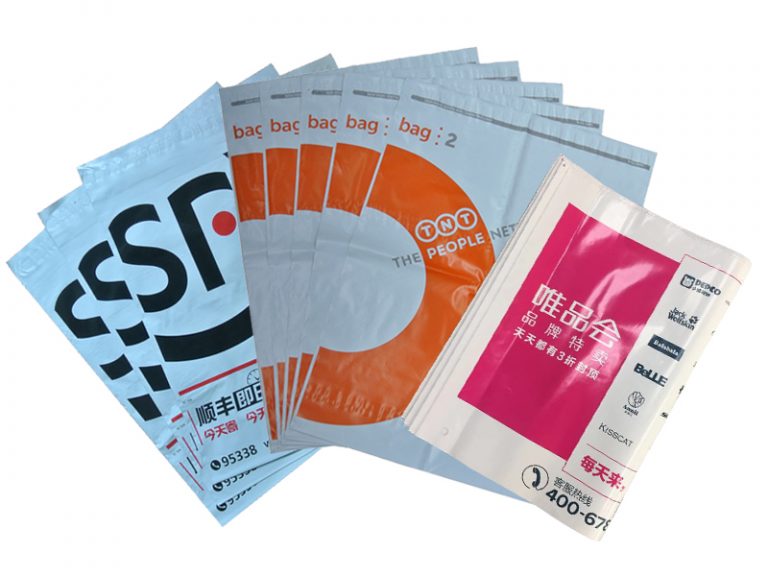
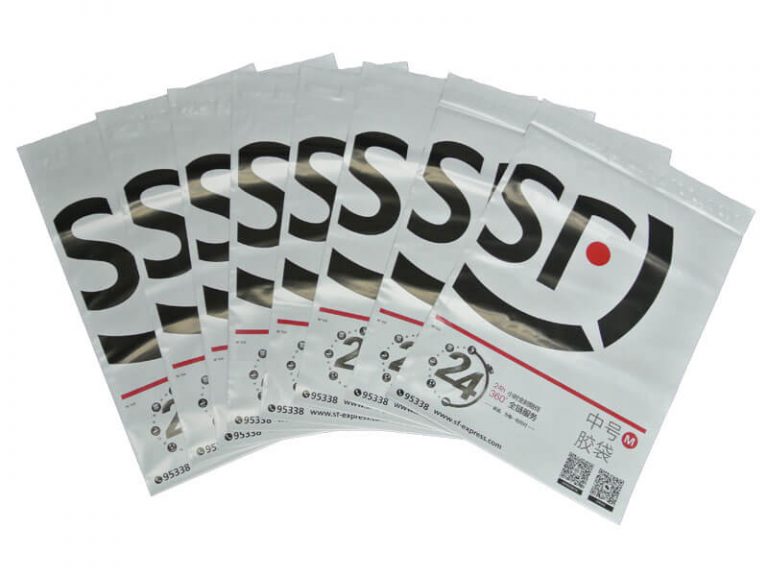
Want a bold printed logo, tamper-evident seals, or a return-address panel? All doable — but each feature has production and environmental trade-offs. Full-colour flexo printing looks great, but excessive inks can complicate recycling unless water-based or low-impact inks are used. Clear instructions printed on the mailer — “Please recycle where facilities exist” — help. If you’re combining compostable films with printed inks, confirm compatibility. And yes, you can have tightly-branded poly mailers and still be responsible; insist on material declarations and testing. Also consider offering customers an alternative: biodegradable mailers for local pickup, recyclable ones for postage. It’s practical. It’s flexible.
Logistics, costs and supplier selection — user-focused checklist
When comparing suppliers, run through this quick checklist: sample lead time, certification (e.g., ASTM or EN standards for compostability or recyclability), MOQ, printing options and freight terms. Ask for first-article samples with your actual logo and any tamper features. Try them on your packing bench. Does the adhesive hold? Do the printed colours match your brand? Do the mailers stack well and fit your postage tiers? Get these answers before committing to a full run — a little testing saves a lot of rework. If you need branded shipping bags for wholesale or multi-SKU orders, check whether the supplier offers complementary formats or consolidates freight to reduce cost.
Common mistakes sellers make — and simple fixes
It’s easy to slip up. Many sellers assume “biodegradable” equals curbside compostability — not true. Others ignore the total landed cost (tooling, printing plates, freight, duties), focusing only on unit price. A surprisingly common error: not testing mailers on the actual post office scales and sortation machines — pockets of air or awkward seals can increase postage. Fixes are straightforward: demand certificates, run small pilot orders, and undertake packing trials with your team. —Talk to your warehouse people; they’ll thank you later.
Real-world anchor: what this looks like on the ground
Take a small clothing label in Cape Town that moved from brown paper envelopes to printed recyclable poly mailers. By switching to recyclable PE mailers with a simple water-based print and optimising pack dimensions they trimmed postage costs and boosted unboxing feedback on social. Not rocket science — just targeted testing and supplier transparency. That’s the kind of practical win you can expect if you follow the checklist above.
Three golden rules for choosing the right mailer
1) Verify end-of-life: Make sure your recyclable or biodegradable claims are backed by recognised standards and local recovery options. 2) Test before scale: Order printed samples, run packing and postage trials, and confirm adhesive and durability. 3) Think total cost: Include printing plates, MOQ, freight, and potential rework — not just unit price.
Choose suppliers who combine clear technical data with flexible production — that’s where reliability lives. For many businesses that balance of branding, cost and verified sustainability nudges WH Packing into view as a practical partner — they streamline production while providing material specs and printing options that align with real-world recycling systems. WH Packing. —
