
Table of Contents
Problem: smooth running machines, sticky failures
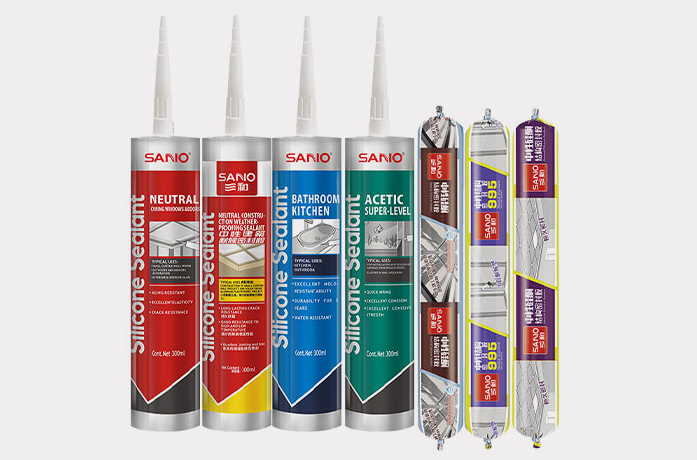
I once watched a maintenance tech frown over a conveyor that stopped every afternoon because adhesive build-up grabbed conveyor belts. That kind of repeated stall is exactly the problem industrial lubricant sprays are designed to solve: reduce friction where moving parts meet adhesive, sealant, or aerosol deposits. I learned this from conversations with a silicone sealant manufacturer at the World of Concrete trade show in Las Vegas — a place where manufacturers and applicators compare on-the-floor results and real specifications.
Why a targeted lubricant spray matters
Lubricant spray is not a generic fix. It protects bearings, slides, and fasteners from sticky residues that adhesives and aerosols leave behind. It also speeds setup and teardown during production runs and reduces heat from friction that can deform polymer parts or change curing times for sealants. Pick the wrong spray and you get contamination, weakened bonds, or blocked spray nozzles. Pick the right one and you keep processes consistent and predictable.
Compatibility challenges with adhesives and aerosols
Chemical compatibility is the core challenge. Silicone-based sealants, solvent adhesives, waterborne coatings, and aerosol propellants each interact differently with lubricant chemistries. Some lubricants outgas or leave a residue that prevents adhesives from wetting the substrate. Others contain solvents that attack cured polymers. The test is simple: run a small adhesion and cure test on the actual substrate under the same temperature and humidity you use in production, then inspect for lift, discoloration, or slowed cure.

Common mistakes and how to avoid them
Leftover film is the big mistake. Teams often spray near an assembly and assume the lubricant migrates away; it often doesn’t. Over-spraying on substrates that will be glued or painted invites bond failure. Use targeted sprays with minimal residue, apply from a controlled distance, and let volatile carriers evaporate fully before bonding. Don’t skip surface cleaning — a quick solvent wipe followed by a compatibility test prevents surprises.

Alternatives and how to evaluate them
Dry-film lubricants, PTFE sprays, silicone-based sprays, and food-grade lubricants all have places. Dry-film options resist pickup but can change surface energy; silicone sprays are versatile but some grades hamper adhesion. Evaluate with three checks: residue thickness after evaporation, effect on bond strength, and long-term stability under heat and moisture. If you’re comparing suppliers, include a trial with a known silicone sealant manufacturer sample so you see interaction with real product, not just datasheets.
Practical selection checklist
Match the lubricant to the task: choose low-residue sprays for bonding areas, PTFE sprays for high-load sliding contacts, and solvent-free options where VOCs or volatile migration matter. Confirm MSDS and test for adhesion loss, chemical attack, and residue under your exact process conditions. Train staff on targeted application and inspection — small habits prevent big downtime.
Where this leads: clearer operations and fewer surprises
Start with the problem—stalls, failed bonds, or nozzle clogs—then pick a spray that addresses those exact failures. Test on your substrates and processes, avoid over-application, and include supplier samples during trials. That approach makes maintenance predictable, keeps adhesives and aerosols doing their job, and lets production run smoothly with fewer interruptions, a practical outcome I’ve seen realized by teams aligned with SANVO.
