
Table of Contents
A Little Shopping Story, Then a Big Question
You’re standing at a bright shop counter, scrolling on your phone, and trying not to panic about budgets. Your tabs are open to lab grown diamond engagement rings. The sales associate says, “Take your time,” but time feels short, lah. Data keeps popping up in your feed too—more couples are choosing lab‑grown, and many say they don’t miss anything except the extra price tag. So here’s the question: at what point do you decide the smarter shine is the one grown in a chamber, not mined from the ground?

A quick note on how people decide. Most of us focus on the 4Cs and the look under bright lights. But real life is mixed light, phone screens, office LED, even kopi shop sunlight. Lab‑grown stones do well there, with stable color and strong sparkle, especially when cut well and verified by IGI or GIA. And if you’re weighing value, it’s not just cost per carat; it’s also setting, metal, and wear patterns over years — funny how that works, right? The point is not to rush. It’s to choose with clarity, can or not? Let’s move to the nuts and bolts that actually affect what you see every day.
The Hidden Friction With Yellow Gold and Old‑School Advice
Why does yellow gold change the math?
Look, it’s simpler than you think. If your heart is set on yellow gold engagement rings, the metal itself changes color perception. That warm hue can mask near‑colorless grades, so chasing a D or E may be overkill. Traditional advice often ignores this, pushing “top color” because that was the habit when mined stones dominated the case. With lab‑grown from HPHT or CVD processes, you can pick a balanced combo: a well‑cut H or I with low to medium fluorescence can look crisp against yellow gold while saving budget for a better setting or warranty. The catch? Many shoppers still optimize the wrong metric because they don’t see how metal, cut, and viewing light interact.

Another blind spot is durability of the build, not the stone. Diamonds are hard, but prongs and finish are not. A slightly thicker girdle and clean pavilion angles reduce chip risk during resizing or daily knocks. Yet old‑school upselling can steer you to skinny claws and high tables that pop under store lights but snag in real life. With lab‑grown, you’re already winning on value; the next step is smarter engineering. Think 4Cs plus craft: secure seat height, metal hardness, and stone orientation. Swap hype for data—request the cut diagram, ask about fluorescence behavior under LED, and check polish symmetry. Your ring should look steady at brunch and boardroom, not just in a showcase.
From Tech Bench to Tomorrow: How the New Build Changes Your Choice
What’s Next
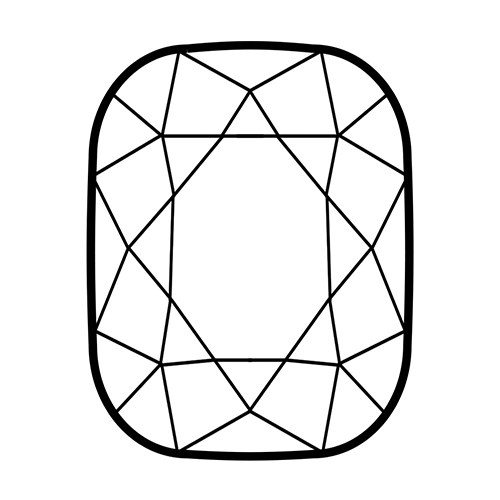
Here’s the forward view. New CVD growth runs tune gas purity and temperature maps to control strain and color consistency; post‑growth annealing refines the crystal so you get tight hue targets without wild price jumps. Add precision cutting verified by ASET or a Sarine scan, and light return becomes more predictable across everyday environments. This is where style meets science. Consider how this plays with shapes: modern cutters tweak crown height and pavilion depth so even vintage‑inspired cushion cut engagement rings gain extra fire without turning windowy. The result feels simple—your eye sees more sparkle for the same spend—but it’s driven by real process control, not sales chat.
So how to decide, moving from “nice idea” to “solid pick”? First, remember what we uncovered: yellow gold softens color perception, old-school rules overspend on grades you can’t see, and build quality matters more than a single lab line item. Now apply a clean, comparative frame to any lab‑grown short list. Advisory close, can? Use three metrics you can measure:- Optical performance: ask for cut data (ASET images, angles) and check for even brightness, not just big flashes.- Structural safety: confirm girdle thickness, prong design, and metal hardness so daily wear is steady — funny how that works, right?- Value integrity: compare total ring cost per millimeter face‑up size, not just per‑carat; include warranty and resize policy.

Follow these and you’ll get a ring that behaves well in normal light, fits your budget, and stays secure over time. No drama, just good design aligned with new tech. If you want a place to start exploring styles and specs with this mindset, have a look at Vivre Brilliance.
