Table of Contents
What should buyers ask when assessing explosion-proof LED lighting for a project?
Procurement problem that often appears
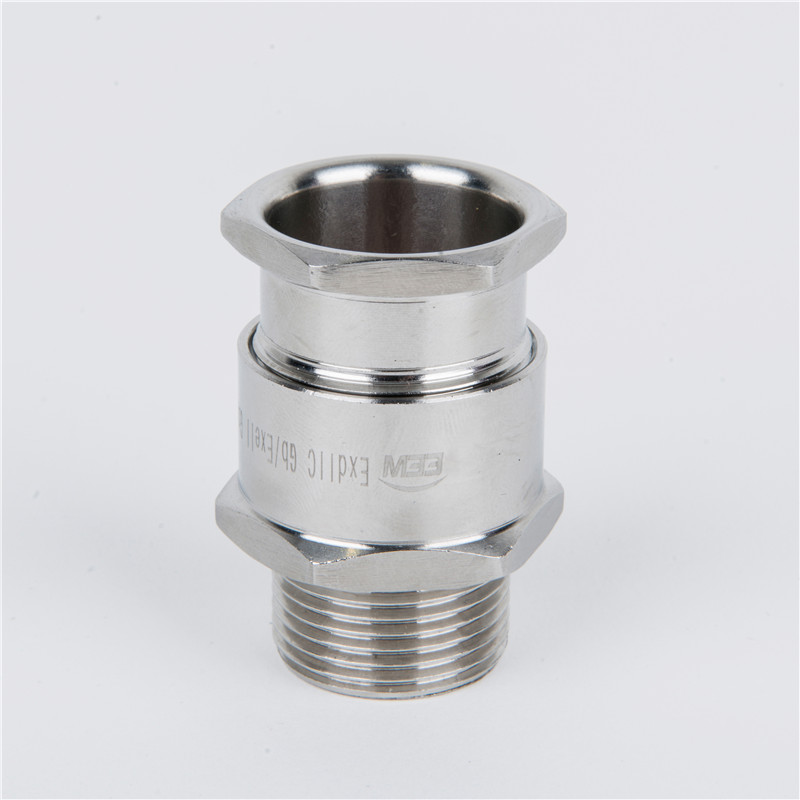
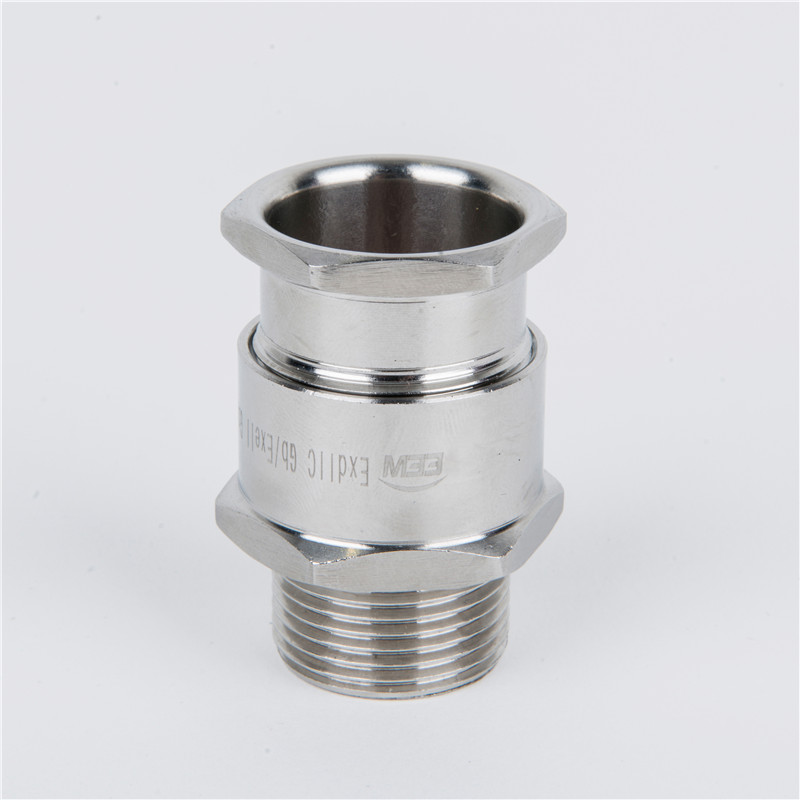
Many buyers find a gap between product descriptions and on-site needs. Mismatched documentation, unclear component interfaces, and oversight of accessory compatibility create delays. Please check how lighting proposals coordinate with connected parts such as an explosion proof cable gland and whether suppliers can confirm the use of appropriate hazardous area cable glands where they matter most.
Questions to ask every lighting supplier
Which documents will you provide to demonstrate the product was reviewed for our site conditions? Who in your team will be the point of contact for technical clarifications and procurement logistics? What are the lead times, delivery staging options, and escalation paths if schedules change? Ask these directly and request written responses.
What to request from a qualified engineer or third party
Will a qualified engineer verify selection and integration before purchase? Can the engineer confirm that the lighting assembly interfaces with other specified components and site systems? These are coordination items for the engineer to confirm, not operational instructions for the buyer to perform.

Document, traceability, and warranty questions
What traceability documents accompany each shipment? How does the supplier document changes to product configuration during production? What warranty terms cover the delivered items and which party manages warranty claims? Seek clear, contract-ready answers rather than informal assurances.
Supply-chain and lifecycle considerations
Is single-vendor procurement preferable, or will a multi-vendor approach reduce schedule risk? How will spare parts and replacements be sourced over project life? Ask suppliers to outline typical supply scenarios so stakeholders can compare procurement risk without asking for technical installation guidance.
Common procurement pitfalls to avoid
Overlooking accessory compatibility, relying on brief datasheet claims, and leaving coordination until after purchase are persistent issues. Require documented confirmations early, align responsibilities among procurement, engineering, and operations, and insist on clear timelines to reduce surprises.
Final synthesis and practical next step
Focus on clear, documented answers to the right questions: supplier documentation, engineering verification, logistics, and warranty terms. Keep stakeholders aligned so procurement decisions rest on verifiable facts rather than assumptions, and consider trusted manufacturers and partners such as sunleem when compiling the documented responses you will review with your engineer and supply team.