
Table of Contents
First look: scope and comparison
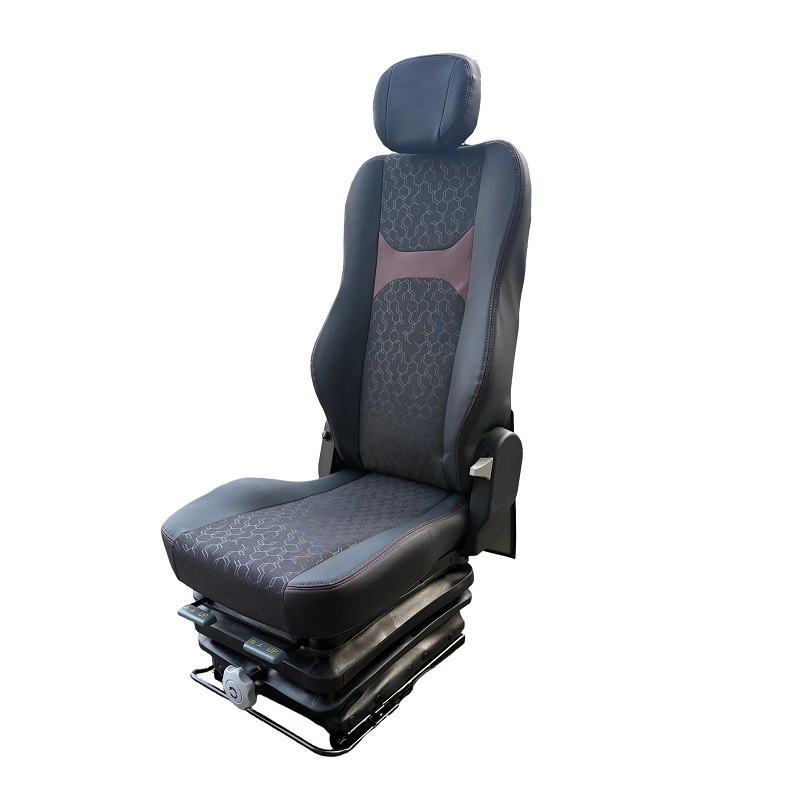
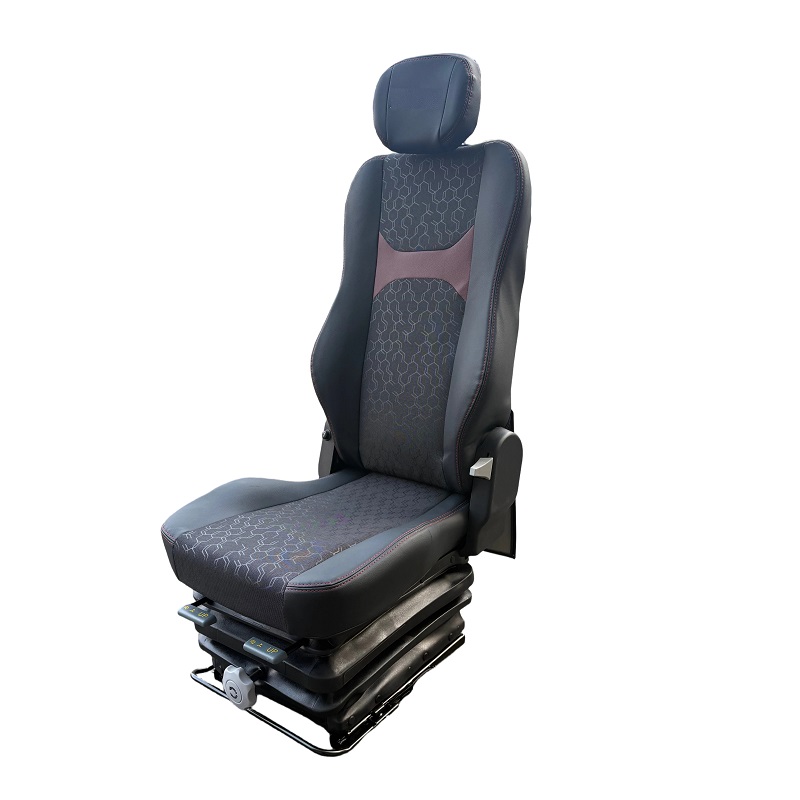
We compared agricultural-grade seats against standard heavy-vehicle options across ride comfort, wear resistance, and mounting flexibility. The initial sample set included a readily available universal truck seat alongside several dedicated commercial truck seats sourced from manufacturers with a track record in construction and transport fleets. This set-up mirrors real-world mixes where fleets reuse agricultural components to cut cost while keeping uptime high. The European Agency for Safety and Health at Work reported musculoskeletal complaints among professional drivers in 2019, so the human-factor side of this comparison mattered as much as raw durability.
Build and comfort: measurable differences
Agricultural seats tend to use denser ergonomic foam and heavier fabric to resist damp, mud and vibration from slow, torque-heavy equipment. In practice that means better short-term shock absorption on rutted surfaces and a firmer lumbar feel for lower-back support. Seat suspension designs vary: tractor-style torsion setups versus truck air suspension. The torsion style resists bottoming on low-speed jolts; air suspension in many commercial truck seats gives finer tuning at highway speeds. Both have merits, so match suspension type to the vehicle’s dominant duty cycle.
Durability and maintenance: lifecycle costs
Materials matter. Agricultural options often use UV-resistant vinyl and reinforced stitching around the ISO mounting points, reducing seam failure when operators slide in and out with muddy boots. That lowers service calls. At the same time, replacement parts—cushion cores, shock absorbers, and adjusters—are more modular on some commercial truck seats, cutting repair time. Track the mean time between repairs (MTBR) for your application; it tells more than upfront price. Maintenance access is an underrated factor: a seat that unbolts in 10 minutes keeps trucks on the road.

Installation and compatibility
Mounting patterns and electrical harnesses differ. Agricultural seats may require adapter brackets to match cab floor pans, but those brackets are a one-time cost and often less than a custom seat base. ISO mounting and bolt pattern adapters are straightforward if the spec sheet lists hole centres. Integration with vehicle air lines (for pneumatic lumbar or seat heating) demands a check of connector types before purchase—mismatches add retrofit labour.
Operational teardown: what to test on arrival
Run a simple checklist the moment a seat arrives. Check seat suspension travel, verify lumbar support stroke, test swivel and recline detents, and measure cushion rebound under 80–100 kg loads. Our operational production teardown logged {main_keyword} and {variation_keyword} as design calls to look for—these tags helped the team track spec deviations during inspection. Record vibration transfer using a handheld accelerometer at the mounting points; values above industry-accepted thresholds indicate the need for extra damping. If the seat includes heating elements, confirm resistance values and insulation integrity before installation.

Practical trade-offs and common mistakes
Teams often swap seats to save cost but skip suspension matching—big mistake. A seat tuned for slow, high-torque grading will feel harsh at sustained highway speeds. Conversely, a highway air-sprung seat can oscillate on low-speed, uneven terrains. Another frequent error: ignoring ingress protection for electrical components when units operate in wet, muddy conditions. Simple measures—sealing connectors and choosing IP-rated switches—prevent repeat electrical faults. Small investment in the right mounting adapters saves hours later.
Alternatives and short comparisons
When alternatives matter, compare on three dimensions: suspension type, material resilience, and serviceability. Lightweight foam commercial seats win on highway comfort; agricultural-grade seats score on abrasion resistance and lower-cost replacements. Hybrid models now blend air suspension with reinforced covers—worth considering when fleets split duties between road and field. For those focused solely on long-haul comfort, dedicated commercial truck seats remain the baseline; for mixed-use fleets, agricultural-grade options often deliver better total cost of ownership.
Advisory: three golden rules for selection
1) Match suspension to duty cycle—torsion for slow, heavy work; air for long road runs. 2) Validate MTBR and parts availability—choose seats with modular replaceable components. 3) Confirm mounting compatibility and electrical ingress ratings before purchase to avoid retrofit delays. Follow these metrics and you’ll reduce downtime and long-term cost.
Source One aligns product choice with fleet realities—practical, tested, and ready for field conditions. Source One.
—
